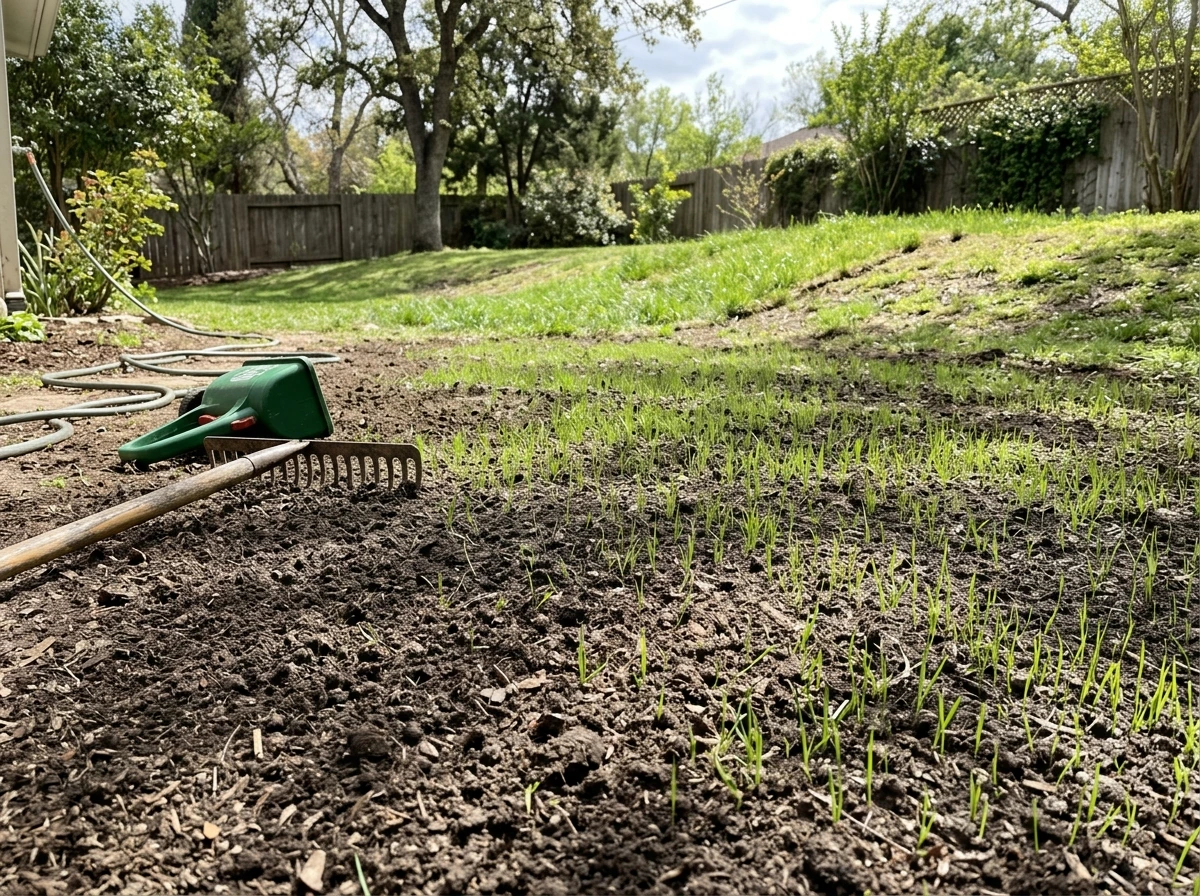
Growing sod from seed takes roughly 6 to 10 weeks from the day you seed until you have a lawn dense enough to mow and handle light foot traffic. That range shifts depending on your grass type, your climate, and how well you set things up at the start. Cool-season grasses like Kentucky bluegrass tend to sit at the longer end, while fast-sprouting ryegrass can have you mowing in 6 weeks. Warm-season grasses like zoysia and bahia are slower overall and can take 3 to 4 months to reach anything resembling sod density. If you came here wanting one number, 8 weeks is a solid working estimate for most cool-season lawns seeded under decent conditions.
How Long Does It Take to Grow Sod From Seed? Timeline Guide
Marcus Henley
24 Mar 2026
What "sod from seed" actually means
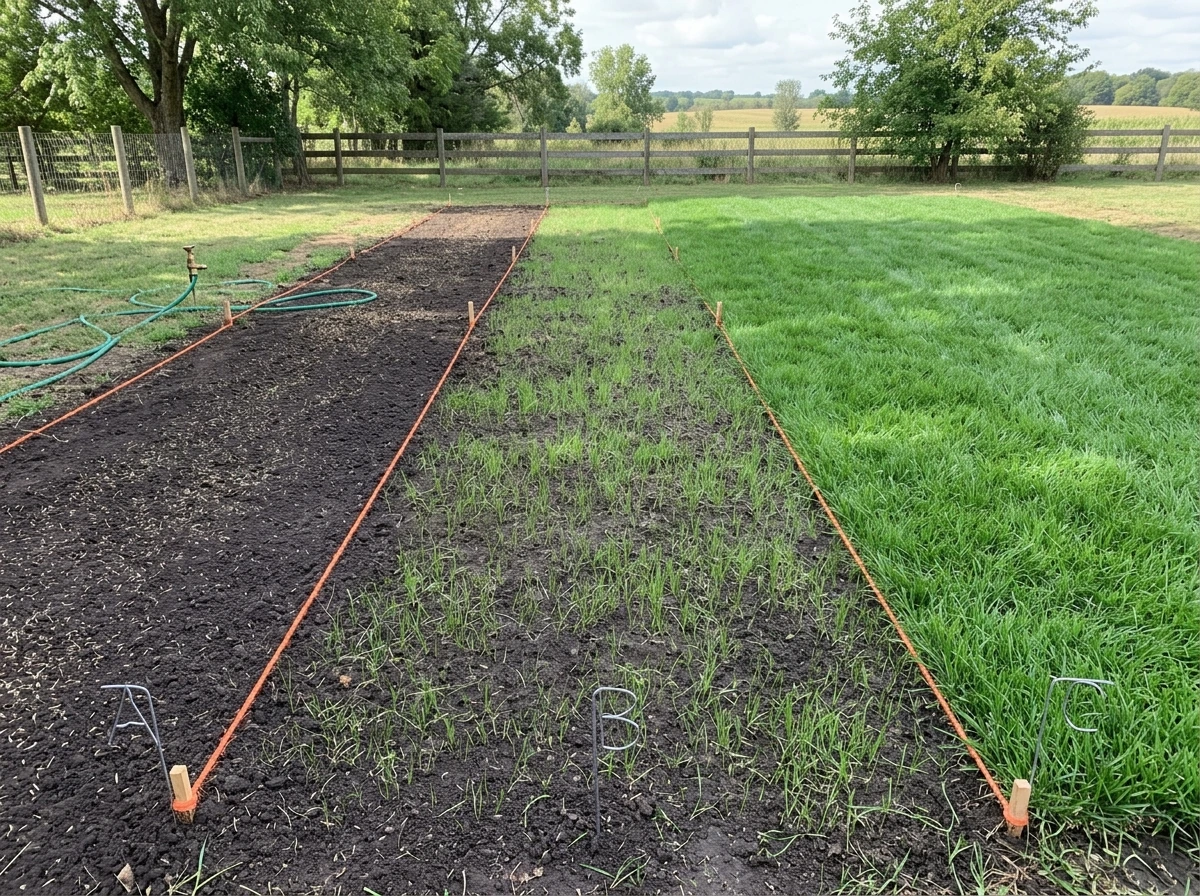
Let's clear up the framing first, because it shapes everything else. Sod is pre-grown turf harvested with its root mat intact. When people ask how long it takes to grow sod from seed, they usually mean: how long until my seeded lawn looks and functions like sod? That is, dense enough to mow, thick enough to hold soil, and tough enough to walk across without pulling up clumps. That threshold is what we're timing here, not just first germination.
Seed-grown turf goes through distinct phases before it reaches that density. It germinates, puts down roots, tillers out (spreads sideways to fill gaps), and then finally knits into a continuous surface. The whole process takes longer than most people expect, especially if they've worked with pre-cut sod before. Sod laid on a prepared surface is walk-on-able in two to three weeks. Seed-grown turf doing the same job takes two to three times that. That's not a flaw; it's just the biology.
Realistic germination timeline: when you'll see the first green
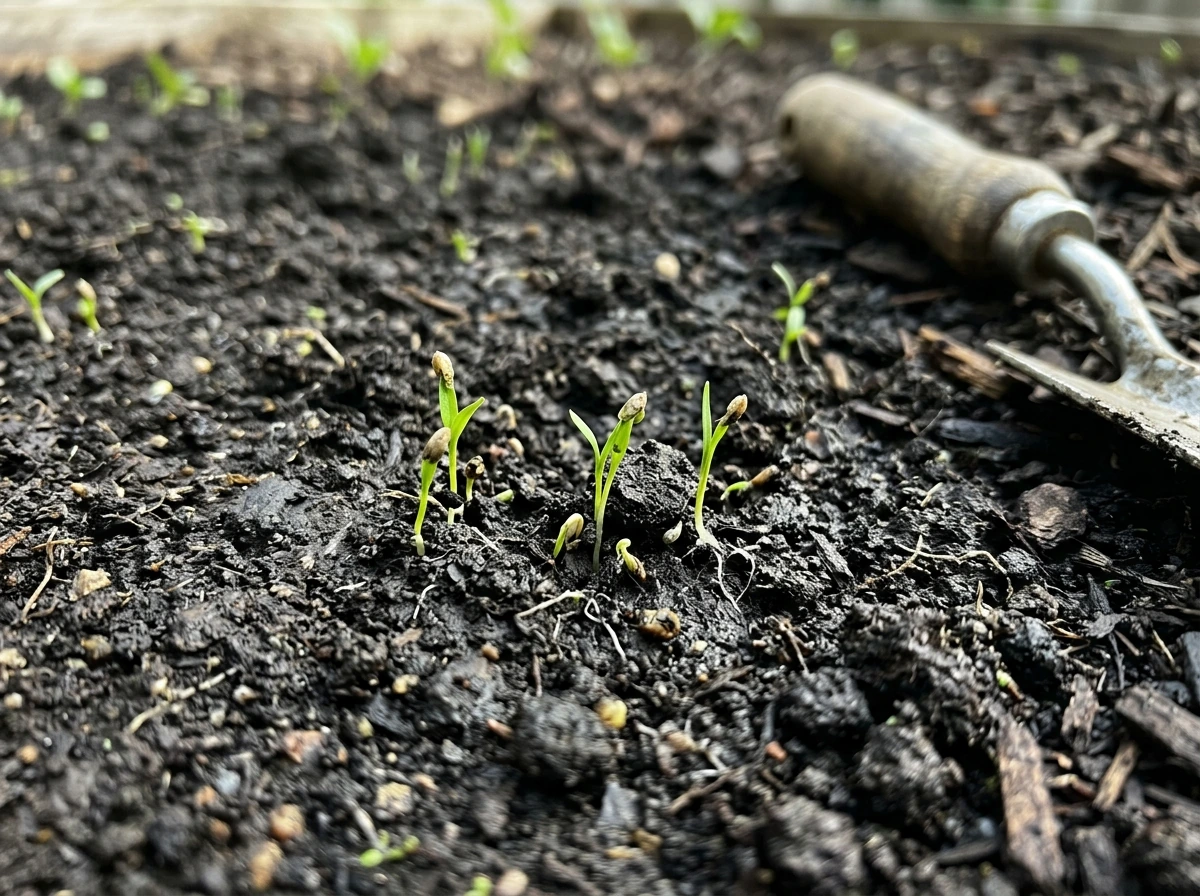
Germination is when the seed cracks open and the first tiny shoot pushes up through the soil. For most grass seeds, you'll see the first green fuzz at the soil surface somewhere between 5 and 21 days after seeding, again depending on grass type and conditions. Some seeds are visibly sprouting in less than a week; others keep you waiting for three weeks before you see anything. Both are normal.
| Grass Type | Germination (Days) | Mow-Ready (Weeks) | Sod-Density (Months) |
|---|---|---|---|
| Perennial Ryegrass | 5–10 | 4–6 | 2–3 |
| Tall Fescue | 7–12 | 6–8 | 2–3 |
| Kentucky Bluegrass | 14–21 | 8–12 | 3–5 |
| Bermudagrass | 10–14 | 6–8 | 2–4 |
| Zoysia | 14–21 | 8–12 | 4–6 |
| Bahiagrass | 14–28 | 8–10 | 3–5 |
| Buffalograss | 10–20 | 6–8 | 3–4 |
Perennial ryegrass is the speed champion of the turf world. If you've ever seeded a mix labeled 'fast germinating' or 'quick cover,' there's almost certainly a heavy ryegrass component in it. Kentucky bluegrass, on the other hand, is notoriously slow. I've seeded it in ideal fall conditions and waited 18 days before a single blade appeared. That's not failure; that's just bluegrass doing its thing.
The factors that can push your timeline weeks in either direction
Two neighbors can seed their lawns on the same day and one will be mowing four weeks before the other. Here's what actually drives that gap.
Soil temperature
This one matters more than air temperature, and it's the most commonly overlooked factor. Cool-season grasses germinate best when soil temperature is in the 60 to 85°F range. Warm-season grasses want 70 to 90°F soil. Drop below those ranges and germination slows dramatically. Drop well below them and the seeds just sit dormant. You can have a warm day in early spring and still have 45°F soil, which will nearly stall cool-season germination. A cheap soil thermometer (under $15) is one of the best investments you can make before you buy a bag of seed.
Moisture consistency
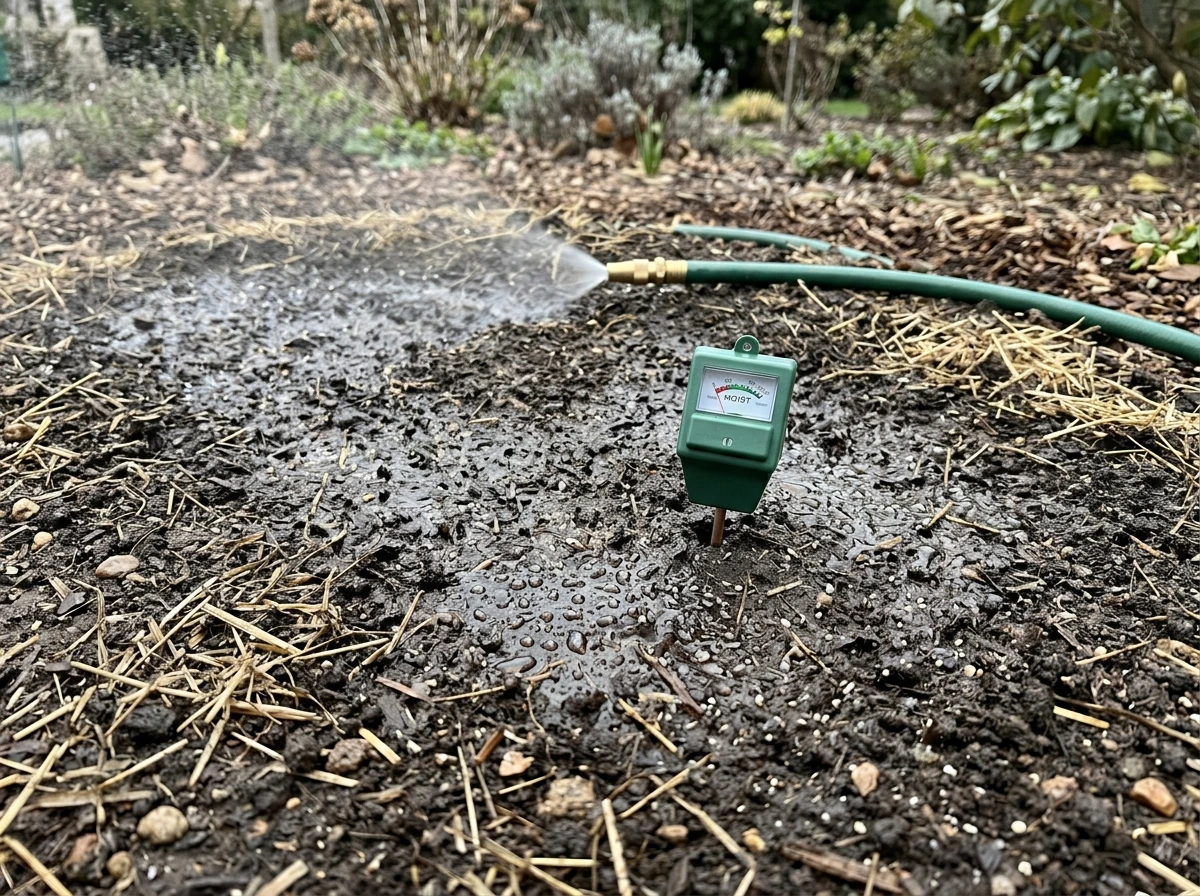
Germinating seed needs the top inch of soil constantly moist, not soaking wet, not dry between waterings. Letting the surface dry out even once during germination can kill emerging seedlings before they've had a chance to root. Conversely, overwatering can cause seed to rot, compact the surface, and wash seed away from where you placed it. The goal is a consistently damp seedbed until germination is complete, then a gradual shift toward less frequent but deeper watering as roots establish.
Seed-to-soil contact
A seed resting on top of loose straw or clumped thatch doesn't germinate well. It needs physical contact with soil so it can absorb moisture from the ground. Raking lightly after seeding, or running a lawn roller (on dry soil, not wet soil, which just makes a mess) after seeding dramatically improves contact. Penn State Extension specifically recommends rolling only when the roller surface and soil are dry to avoid picking up seed.
Seeding depth and rate
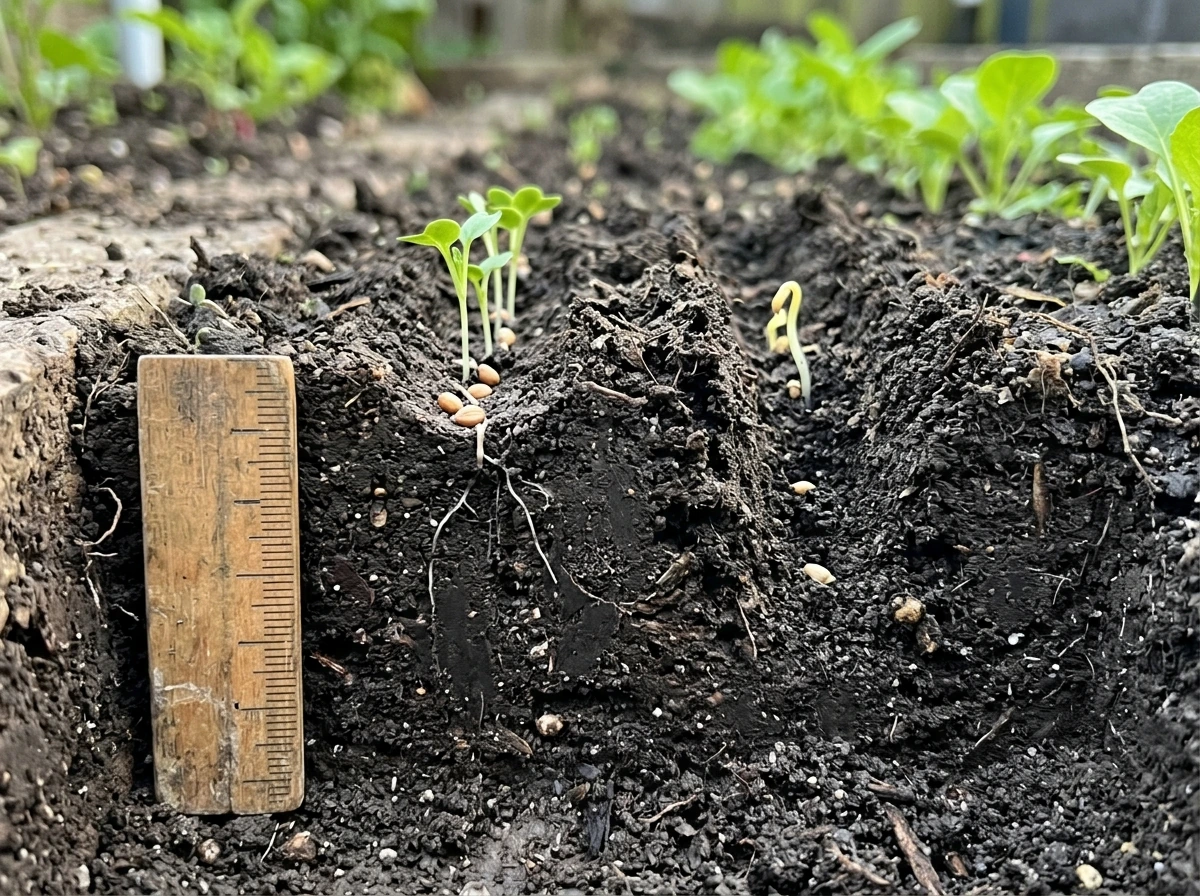
Most grass seeds should sit at or very near the surface, no deeper than about a quarter inch. Bury them too deep and the seedling runs out of stored energy before it reaches light. Too shallow and the seed dries out fast. For seeding rate, more is not always better. Overcrowding causes competition and poor airflow, which can lead to disease. Follow the rate on your seed bag for the specific species you're using.
Sun exposure and shade
Heavy shade slows growth noticeably. A shaded lawn can take 30 to 50 percent longer to reach mowing density than the same lawn in full sun. If you're seeding under trees, factor that in and choose a shade-tolerant species like fine fescue or certain tall fescue varieties.
Weed competition
Weeds that germinate alongside your grass seed steal water, nutrients, and light. Crabgrass in particular is an aggressive competitor in summer seedings. Heavy weed pressure during establishment can noticeably extend your timeline, or in bad cases, prevent the turf from ever thickening properly.
Stage by stage: what to expect from seed to sod
Days 1 to 10: The waiting game
Nothing looks like it's happening, but germination is underway in the soil. This is when consistent moisture matters most. Keep watering lightly once or twice a day depending on heat and wind. Don't skip days. Don't panic if you see nothing.
Days 7 to 21: First green
Depending on your grass type, you'll start seeing thin green shoots emerging. Fast germinators like ryegrass show up toward day 7; slow ones like Kentucky bluegrass and bahia closer to day 21.
Weeks 3 to 5: Rooting and thickening
The seedlings are building root systems and beginning to tiller, meaning they spread laterally to fill in bare spots. The lawn starts looking less patchy and more continuous. You can begin transitioning your watering toward less frequent, deeper sessions to encourage deeper root growth. Keep foot traffic off.
Weeks 5 to 8: First mow territory
For ryegrass and fescue, this is when mowing becomes appropriate. Penn State Extension recommends mowing when the grass is no more than one-third taller than your target cutting height. So if you're targeting a 3-inch lawn, mow when it reaches 4 to 4.5 inches. Don't scalp it. A light first mow actually encourages tillering and thickening, so it's a good thing, just don't overdo it.
Weeks 8 to 16: Sod-like density
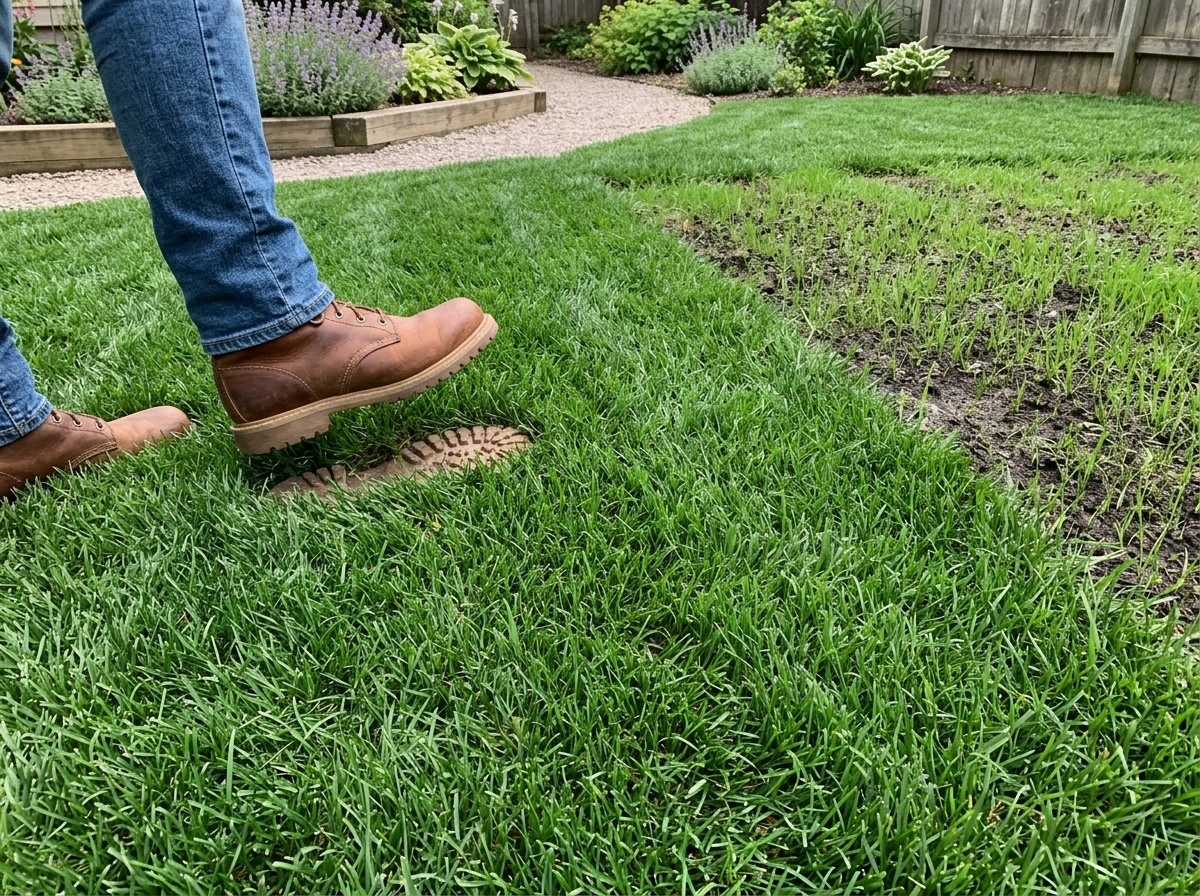
This is when most cool-season lawns grown from seed start behaving like sod. The surface is continuous, you can walk across it without pulling up seedlings, and it's holding soil during rain. Penn State Extension notes the first 4 to 8 weeks after seeding are determinant for survival, so if you get through that window with consistent care, your odds of a solid lawn are high. Warm-season grasses are still developing through this period and may need another month or two to reach the same thickness.
How to speed things up without cutting corners
You can't override biology, but you can absolutely set yourself up to hit the fast end of every range rather than the slow end. Here's what actually moves the needle.
- Prep soil before seeding: Till or loosen the top 2 to 3 inches, break up clumps, and remove rocks and debris. Good seedbed structure is the biggest single variable you control.
- Test and amend soil pH: Most turf grasses prefer pH 6.0 to 7.0. If your soil is too acidic or alkaline, even perfect watering won't compensate for poor nutrient availability. A basic soil test is inexpensive and worth it.
- Seed at the right time for your climate: See the section on seasonal planning below. Seeding at the wrong time slows everything down regardless of what else you do right.
- Use a starter fertilizer: A phosphorus-rich starter fertilizer at seeding encourages faster root development. Apply it at the same time you seed.
- Ensure seed-to-soil contact: Rake lightly after spreading seed, then roll on dry soil. This alone can shave days off germination time.
- Use a germination blanket or straw mulch: A light layer of weed-free straw or a biodegradable germination mat retains moisture, protects against erosion, and keeps the seedbed warmer. This helps in both spring and fall seedings.
- Water consistently but not heavily: Light, frequent watering (two to three times daily in hot weather) keeps the top inch moist without washing seed or causing rot.
- Protect edges from runoff: If you're seeding a slope, add erosion control matting or seed in a pattern that slows water movement.
When things go wrong: troubleshooting slow or failed germination
If you're two to three weeks in and seeing nothing (or patchy, weak growth), don't pull out the seed spreader and start over yet. Most failures trace back to one of a handful of fixable problems.
Soil temperature is off
This is the most common culprit. Check your actual soil temperature (not air temp). If you're below 50°F for cool-season seed or below 65°F for warm-season seed, germination will be extremely slow or won't happen at all. If it's too cold, you may just need to wait. If it's too hot (soil temps above 85 to 90°F), cool-season seeds can go dormant or die.
Inconsistent watering
If the surface dries out between waterings, germinating seedlings die before they break the surface. If you're overwatering, you can cause the seed to rot or create a hard surface crust. Both lead to poor germination. Adjust your watering schedule and check soil moisture by pressing a finger into the top inch.
Surface crusting
In heavy clay soils, the surface can bake into a hard crust that seedlings can't push through. If you see uniform green haze but no blades breaking through, lightly rake or aerate the crust. This often releases seedlings that were stuck just below the surface.
Seed buried too deep
If you tilled deep and then seeded without resettling the soil, seed may have sunk far below the ideal quarter-inch depth. Grass seedlings have a very limited energy reserve, and if they have to travel more than half an inch to reach light, many won't make it.
Old or low-viability seed
Grass seed has a shelf life. Most types remain viable for 2 to 3 years if stored cool and dry, but germination rates drop meaningfully after the first year. If you're using seed that's been sitting in a warm garage for two seasons, expect maybe 50 to 60 percent of the germination rate printed on the bag. Check the test date on the bag before you seed.
Poor drainage
If water pools on your seedbed, seed rots and roots can't develop. If this is a structural issue, you may need to add organic matter, grade the area, or install basic drainage before seeding is worth attempting.
Birds, insects, and washout
Birds can strip a freshly seeded lawn surprisingly quickly. If you're seeing scattered bare patches with no apparent germination pattern, look for bird activity. Straw mulch, bird netting, or reflective tape can help. Heavy rain in the first week can also wash seed into low spots or off the area entirely. After any significant rainfall, check whether seed has pooled at edges or low points.
Nutrient deficiency
If germination happened but seedlings are yellow, thin, or stunted, the soil may be low in key nutrients, most commonly nitrogen or phosphorus. A starter fertilizer at seeding helps prevent this; if you're already past that point, a light application of a balanced fertilizer (avoiding anything too nitrogen-heavy, which can burn seedlings) can help.
Planning your seeding schedule by season and climate
Timing your seeding around your climate zone is one of the highest-leverage decisions you'll make. Getting this right means the difference between a lawn that takes 6 weeks and one that takes 16 (or fails entirely).
Cool-season grasses (most of the northern US, Canada, UK, northern Europe)
Late summer to early fall is the gold standard for cool-season grass seeding. Soil is still warm from summer (critical for fast germination), air temperatures are dropping (reducing stress and weed competition), and there are typically weeks of mild weather ahead before frost. Penn State Extension identifies late summer as the optimum window for much of Pennsylvania, and that applies broadly across the cool-season zone. Spring seeding works too, but you're racing against summer heat and competing with crabgrass. If you seed in spring, aim for soil temps of 50 to 65°F and be prepared for a longer establishment period.
Warm-season grasses (southern US, subtropical and tropical climates)
Warm-season grasses need warm soil to germinate and grow. Seeding in late spring to early summer, when soil temps are consistently above 65 to 70°F, gives them a full growing season to establish before cooler weather slows growth. Seeding too early (when soil is still cold) means the seed sits dormant, often rotting or getting eaten by birds. Seeding too late means the grass hasn't had time to fully establish before its first winter.
What to expect by season if you're starting now (spring 2026)
If you're reading this in late March 2026 and considering seeding now, here's a practical read on what to expect. In northern climates, your soil is probably still too cold for reliable cool-season germination unless you're in a mild microclimate. Waiting until mid-April to early May (or even late August) will give you much better results. In the transition zone (roughly the mid-Atlantic through the Pacific Northwest), spring seeding of tall fescue (see how long fescue grass seed take to grow) or a ryegrass blend can work well if you're planting now and soil temps are approaching 55°F. In southern and Gulf Coast areas, bermudagrass and bahia seeding season is approaching: late April through June is your window.
What maturity actually looks like (so you know when you're done)
A mature seeded lawn isn't just green. It's a lawn where you can walk across it without your feet sinking in or pulling up seedlings, where the grass surface is continuous with minimal bare patches, where mowing at your target height doesn't scalp or stress it, and where you've completed at least two or three mowing cycles. At that point, you can drop watering frequency to what you'd do for an established lawn, apply a regular maintenance fertilizer, and start light recreational use. Heavy use, like kids and pets running on it daily, should wait until the turf has gone through a full growing season and has established a deep root system.
For more detail on general grass seed timing, there's a useful breakdown of how long lawn seed takes to grow that covers a broader range of seeding scenarios. If you're focused on specific species, the guides on how long fescue grass seed takes to grow, how long zoysia grass seed takes to grow, and how long bahia grass seed takes to grow each go deeper into those individual timelines.
FAQ
If I see germination, how much longer until my lawn is actually “sod-like” (continuous and walkable)?
Seed can germinate quickly but still look patchy for weeks. As a rule of thumb, once you have consistent green coverage, you still usually need about 2 to 6 more weeks for roots to knit and the surface to resist pulling, depending on whether you’re in a cool-season or warm-season establishment phase.
Can I speed up the timeline for grass seeded into the ground?
Yes, modestly. Focus on soil contact (light rake or roller on dry ground), hit target soil temperatures (not just warm air), and keep the top inch consistently damp until sprouting is complete. Avoid shortcuts like heavy rolling on wet soil, deep seeding, or cutting fertilizer early, since they can slow growth later.
Does the type of seed mix change how long it takes to grow sod from seed?
It can. “Fast” blends often include ryegrass, which establishes sooner, while mixes heavy in bluegrass or fine fescue can lag. Also check whether the mix contains multiple species that reach mowing density at different times, which can make the lawn uneven even when overall germination was good.
How do I know if I should reseed versus wait it out?
If you are past the usual sprouting window for your grass type and conditions (for example, 3 to 4 weeks with no meaningful coverage), reassess soil temperature, moisture consistency, and seed depth before starting over. If you have some uniform green haze or scattered shoots, it’s often better to continue correcting conditions and give it time rather than reseeding immediately.
What’s the practical difference between seeding “looks green” and reaching sod density?
Green shoots mean germination and early growth, but sod density requires lateral spread (tillering), thick roots that hold soil, and enough canopy to reduce bare spots. A lawn can be mowed while still not truly sod-like, so judge readiness by foot resistance and continuity, not just color.
How much foot traffic is safe during establishment?
Keep traffic minimal until the turf is continuous and well-rooted. Even after the first light mow, repeated stepping in bare or thin areas can pull seedlings and create permanent gaps. For gradual use, restrict to short, infrequent walking and avoid creating muddy zones.
Can I lay a roller or straw blanket to help it grow faster?
Light protection can help with moisture retention, but don’t bury seed under thick, insulating layers. Straw or mulch should be thin enough that seedlings can reach the surface, and it should not trap water into pools. If you see seed washed to edges after rain, you may need better leveling or a gentler irrigation pattern.
What happens if there’s rain soon after seeding?
Light rain is usually fine, but heavy rainfall in the first week can wash seed into low spots, pool water, or compact the surface. After significant rain, inspect for edge pooling and uneven coverage, then correct with light raking or re-leveling if needed once the ground is workable.
Should I fertilize right away to reach sod density sooner?
A starter fertilizer at seeding can help seedlings that are struggling with early nutrients. However, avoid heavy or nitrogen-heavy applications to “force” growth, since this can burn seedlings or cause uneven growth. If seedlings are yellow or thin after initial germination, use a light balanced approach rather than a strong dose.
When is the first mowing timing correct, and what height mistake slows sod formation?
Mow only when the grass is tall enough that you can remove a small portion, commonly not more than about one-third of the target cutting height. Scalp mowing removes too much leaf area, slows tillering, and delays canopy closure, which can add weeks to reaching sod-like density.
Will weeds or crabgrass change how long it takes to grow sod from seed?
Definitely. Weed competition can steal water and light and delay canopy closure, sometimes converting a “slow establishment” into a long-term patchy lawn. If weed pressure is high during the early weeks, treat it as a timeline risk, not just a cosmetic issue.
How deep can I seed, and what depth mistake delays turf knitting?
Keep seed near the surface, roughly around a quarter inch or less. If seed sinks too deep, seedlings often run out of energy before reaching light, leading to weak or absent emergence and forcing you to wait longer or reseed.
Next Article
How Long Does Fescue Grass Seed Take to Grow? Timelines
Get realistic fescue seed timelines: germination, first growth, height milestones, and fixes for slow sprouting by type.