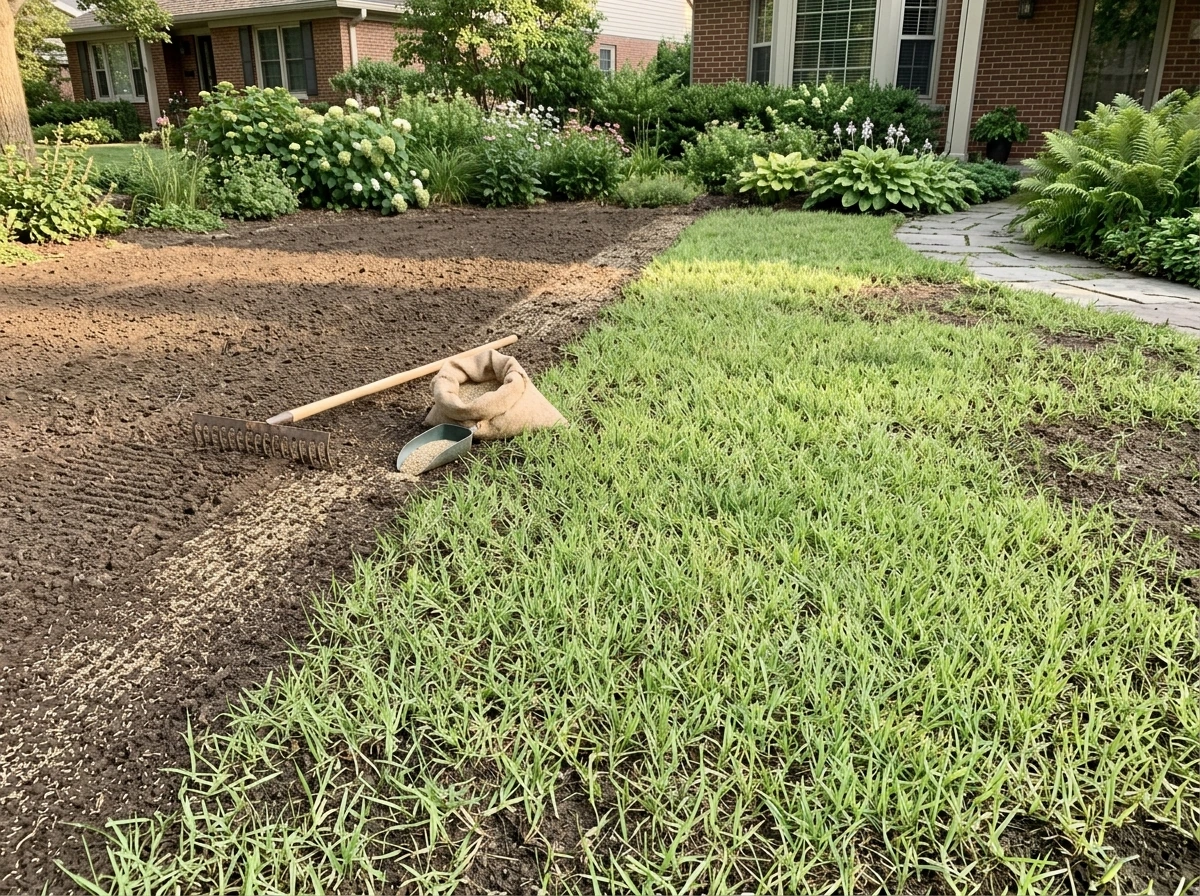
Fescue grass seed typically germinates in 5 to 10 days under good conditions, and you can expect to do your first mowing somewhere between 2 and 3 weeks after seeding. That's the short answer. But how fast it reaches a full, usable lawn depends on the type of fescue you're growing, the time of year, your soil temperature, and how well you manage moisture during those early weeks. Tall fescue, fine fescue, and blue fescue all behave a little differently, and if you're using a branded product like Scotts Tall Fescue Mix, there are some specific expectations worth knowing. Let's break it all down.
How Long Does Fescue Grass Seed Take to Grow? Timelines

Marcus Henley
24 Mar 2026
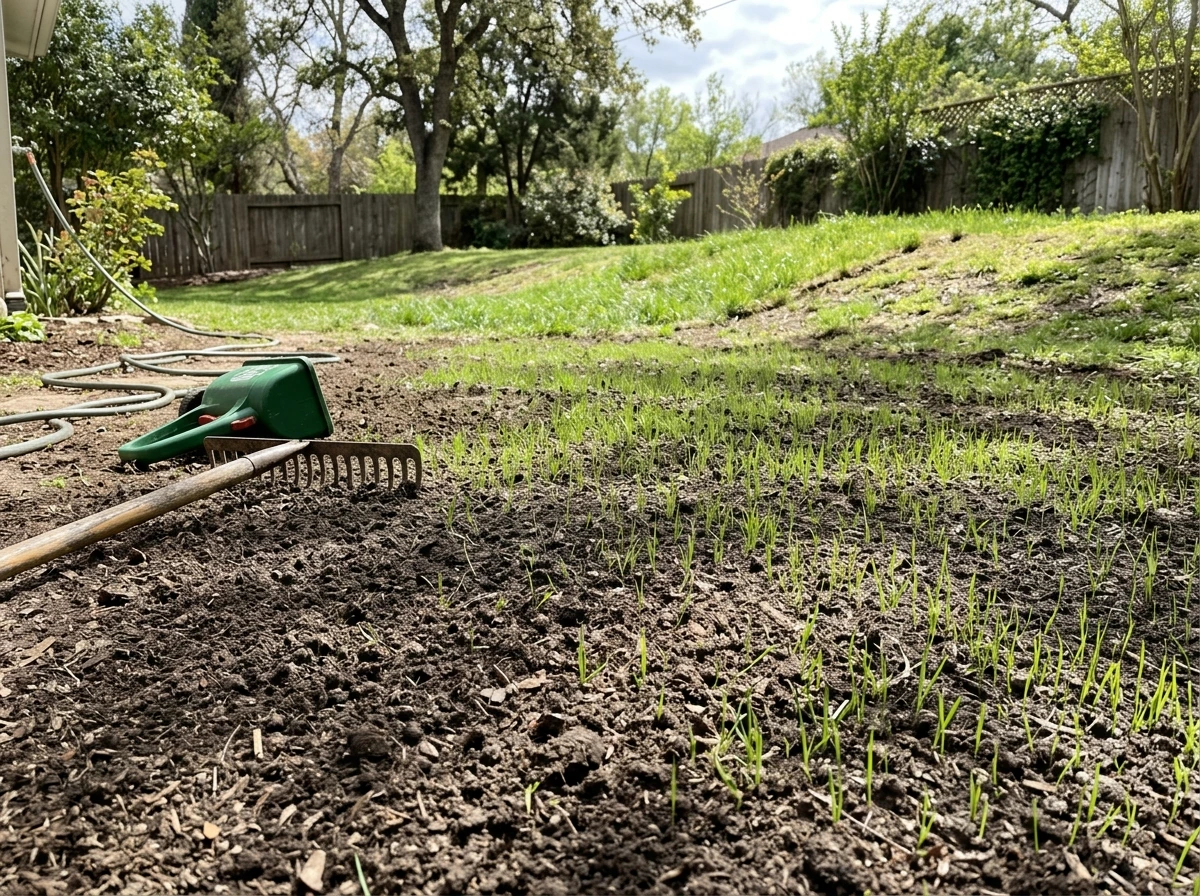
Typical growth timelines for tall fescue from seed
Tall fescue is one of the more forgiving cool-season grasses to establish from seed. Under ideal conditions (which I'll get into shortly), you can count on germination within 5 to 10 days and a mow-ready lawn in about 2 to 3 weeks. Full establishment, meaning a lawn that's thick, rooted, and tolerant of normal foot traffic, takes considerably longer, answering how long does lawn seed take to grow: anywhere from 2 to 6 months depending on conditions, planting season, and how well you maintain the seedbed. how long does couch grass seed take to grow. how long does it take to grow sod from seed
The University of Maryland summarizes it well: all fescue species tend to germinate in about 7 to 10 days. That aligns with what UGA Extension reports for tall fescue specifically. But germination is just the start. Visible sprouts in the first week are encouraging, but that grass won't be truly established or resilient until the root system has had time to develop, which takes months, not weeks.
One thing worth knowing about timing: Nebraska Extension makes the point that each week you delay seeding in the fall translates to roughly 2 to 4 additional weeks needed for establishment. If you miss your ideal window (early fall is best for tall fescue in most regions), you're not just losing a week, you're compressing the establishment period before cold weather sets in. If you're planning a fall seeding, don't wait.
Germination vs. establishment: what to expect week by week
People often confuse germination with establishment, and that confusion leads to either panic (why isn't it growing faster?) or overconfidence (it germinated, I'm done!). Here's a realistic week-by-week picture of what tall fescue does after you put seed in the ground.
| Timeframe | What's Happening | What to Do |
|---|---|---|
| Days 1–4 | Seed absorbing moisture, no visible growth yet | Keep seedbed consistently moist with light, frequent watering (several times per day) |
| Days 5–10 | First sprouts appear, thin green shoots emerging | Continue light watering; do not let seedlings dry out |
| Week 2 | Seedlings 1–2 inches tall, coverage filling in | Maintain moisture; avoid foot traffic on new grass |
| Week 3 | Grass reaches mow-ready height (~3 inches) | First mowing; mow when dry, not wet; raise mower to about 3.5 inches |
| Weeks 4–8 | Thickening and spreading; root development underway | Gradually reduce watering frequency; allow roots to reach deeper |
| Months 2–6 | Full establishment; mature growth characteristics visible | Normal maintenance begins; fertilize and mow on regular schedule |
That first mowing is more important than it sounds. UGA Extension recommends mowing at about 1 to 1.5 inches for the first cut, and cautions against mowing when the grass is wet. The goal is to encourage the grass to tiller and thicken rather than grow tall and leggy. After establishment, NC State Extension recommends maintaining tall fescue at about 3.5 inches.
How tall fescue actually grows: height benchmarks for tall vs. fine fescue
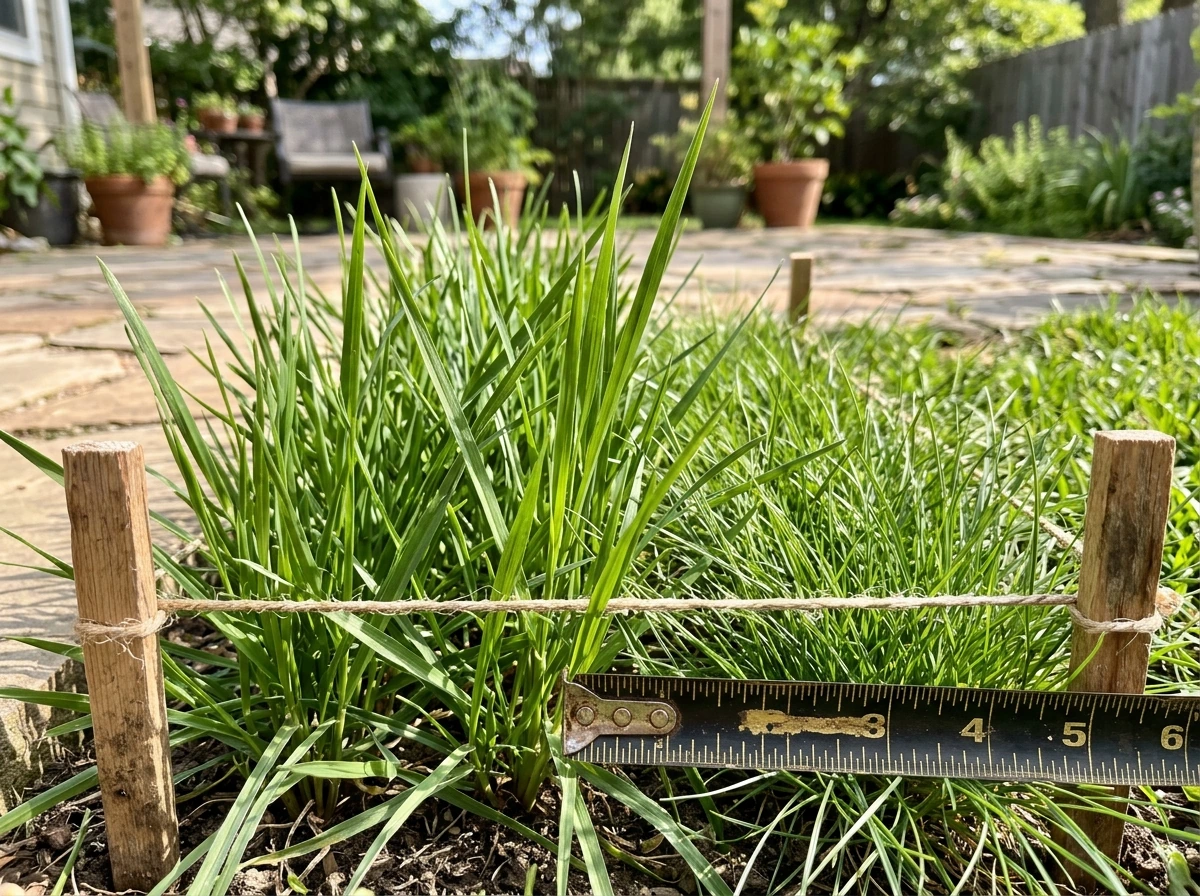
Tall fescue and fine fescue are not the same plant, and their height expectations are different. Tall fescue, as the name suggests, grows taller and more upright. Fine fescue is lower, finer-textured, and used more often in low-maintenance or shaded settings. Both are cool-season grasses, but if you're mowing and managing them the same way, you'll get suboptimal results from both.
Tall fescue height and growth rate
Under good growing conditions, tall fescue can grow roughly 1 inch per week. That means a seedling that emerges at a quarter inch in week one can realistically hit 2 to 3 inches by week three, which is when your first mow is due. After establishment, the recommended mowing height for tall fescue in most home lawn settings is around 3 to 3.5 inches. Mowing lower than that stresses the plant, particularly in summer heat.
Fine fescue height and mowing expectations
Fine fescue is a family of grasses (including creeping red fescue, chewings fescue, hard fescue, and sheep fescue) that are generally shorter and finer in texture than tall fescue. Purdue Extension recommends maintaining fine fescue at a mowing height above 2 inches, with 2.5 to 4 inches being ideal for home lawns. Like all fescues, fine fescue follows the one-third rule: never remove more than one-third of the leaf blade in a single mowing. Wisconsin Extension echoes this and also emphasizes avoiding heavy foot traffic during early establishment, when the root system is still shallow.
Fine fescue also germinates in approximately 7 to 10 days under good conditions, similar to tall fescue. The best seeding window in cooler northern regions (like Minnesota) is early August through late September, according to UMN Extension. One thing I've noticed with fine fescue is that it's more sensitive to high soil temperatures during establishment than tall fescue, so if you're seeding in late summer and the ground is still warm, be patient.
Blue fescue timing and height: separate expectations
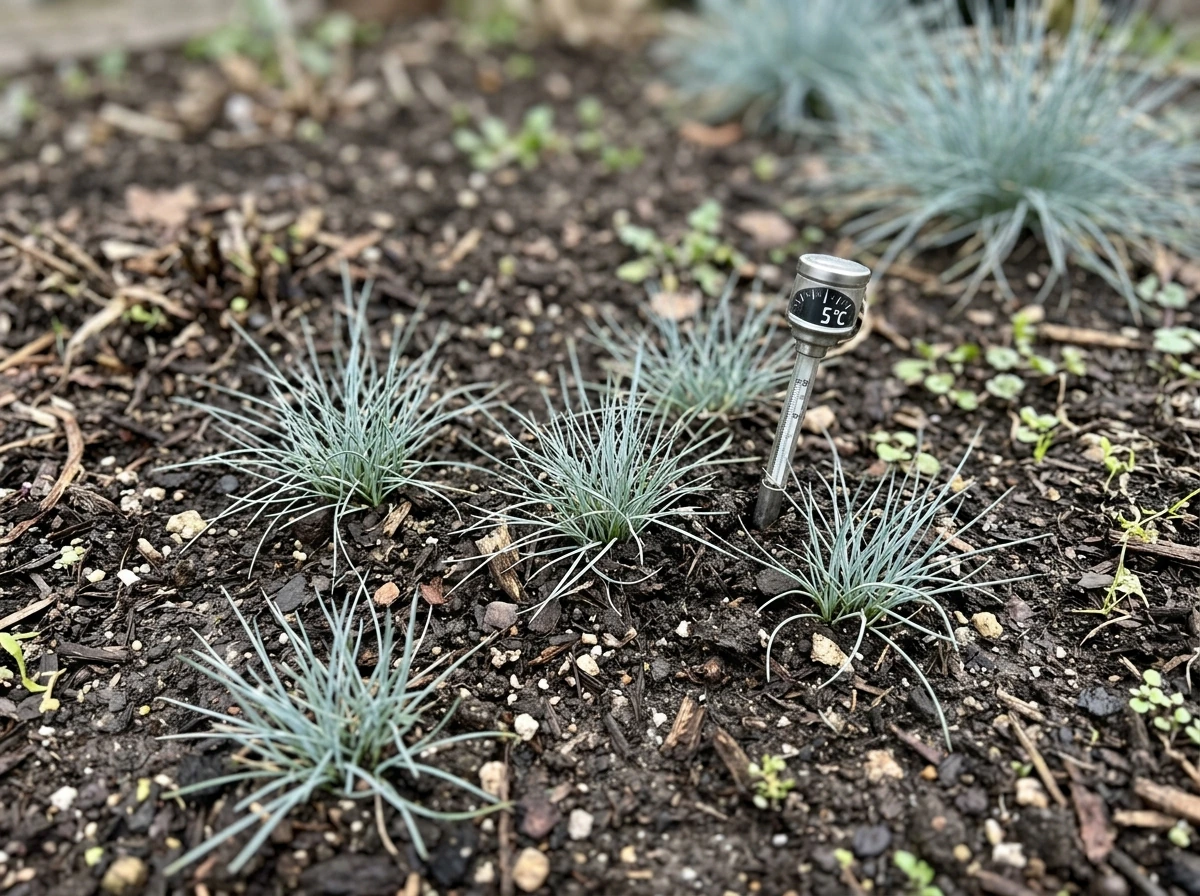
Blue fescue (Festuca glauca) is an ornamental grass, not a lawn grass. If you're growing it from seed, you're almost certainly going for the clumping, blue-gray accent plant in a garden bed, not a turf lawn. The germination process and timeline are noticeably different from tall or fine fescue, and it's worth treating it as a separate category entirely.
Blue fescue seed tends to be more temperature-sensitive in its early stages. Production guidance from ornamental seed specialists suggests a two-phase approach: an initial cool period at around 41 to 50°F (5 to 10°C) for roughly 7 days, followed by a warmer phase at 68 to 77°F (20 to 25°C) for an additional 3 to 5 weeks. That means from sowing to a well-developed seedling plug, you're looking at 4 to 6 weeks minimum under controlled conditions.
For home growers starting blue fescue from seed indoors or in a cold frame, expect a slower and more uneven germination than lawn fescues. Germination temperatures around 64 to 68°F (18 to 20°C) work well during the main germination phase. Blue fescue grows into a low mounding clump, typically 6 to 12 inches tall and wide at maturity. It doesn't spread by runners, so from a single seed you'll get one clump over one growing season, with full mature size often taking 2 or more years.
Scotts tall fescue: what to expect from this specific product
Scotts offers a couple of tall fescue products that come up frequently when people are shopping for seed, and their timelines differ enough to be worth covering separately.
Scotts Turf Builder Tall Fescue Mix
Scotts' standard Tall Fescue Mix follows a timeline that lines up well with general tall fescue expectations. Scotts describes the milestone of the first mow at around three weeks after seeding, which matches the UGA Extension guidance of 2 to 3 weeks to mow-readiness. This is a conventional tall fescue seed blend with no accelerated germination technology, so you should plan on the standard 5 to 10 day germination window and roughly 3 weeks to first mow.
Scotts Turf Builder Rapid Grass Tall Fescue Mix
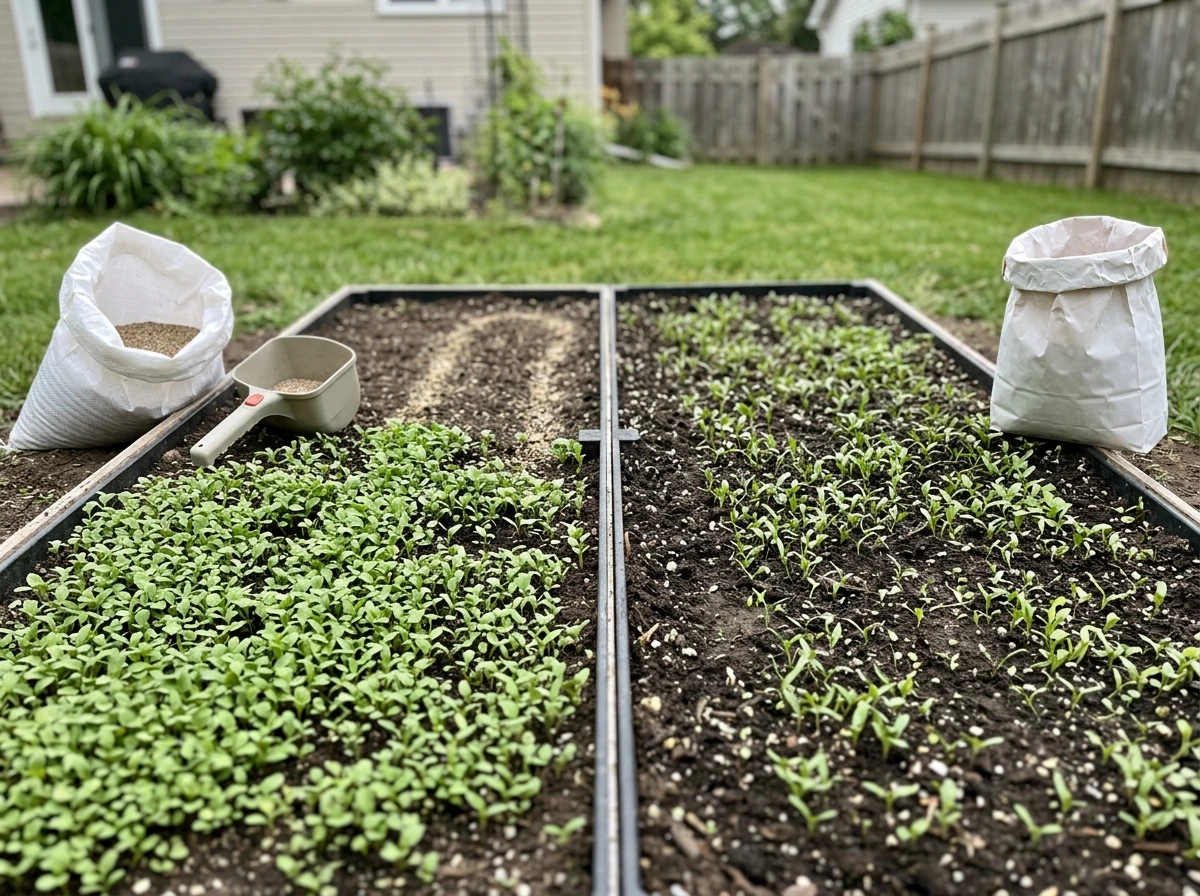
This is where Scotts makes a more aggressive claim. Their Rapid Grass Tall Fescue Mix is a combination of seed and fertilizer designed to accelerate early growth, and Scotts claims it grows twice as fast as seed alone, with results visible within 21 days. They market this as a way to start enjoying a full green lawn in about 3 weeks when seeding a new lawn. In practice, that 21-day claim refers to visible coverage and color, not full establishment. You'll still need months for the root system to mature and the lawn to handle real wear. But if you're doing a repair or want faster visible progress, the Rapid Grass formula genuinely does speed up early green-up compared to straight seed.
A note on turf-type tall fescue cultivars more broadly: spec sheets for professional cultivars (like those used in sports turf or commercial sites) describe germination as visible within 14 days and full establishment taking 2 to 6 months to show mature growth characteristics. That range is a useful reality check. Three weeks gets you started; six months gets you truly established.
The factors that slow fescue down (or speed it up)
More than any single variable, soil temperature is the biggest predictor of germination speed for tall fescue. The sweet spot for germination is 68 to 86°F (20 to 30°C), with about 16 hours at the lower end of that range and 8 hours at the higher end. For leaf growth after germination, the ideal air temperature is roughly 60 to 75°F. Soil temperatures between 50 and 65°F are best for root development. This is exactly why early fall is the recommended seeding season for tall fescue in most parts of the US: soil is still warm from summer, but air temperatures have dropped into the ideal range for cool-season grass growth.
Temperature
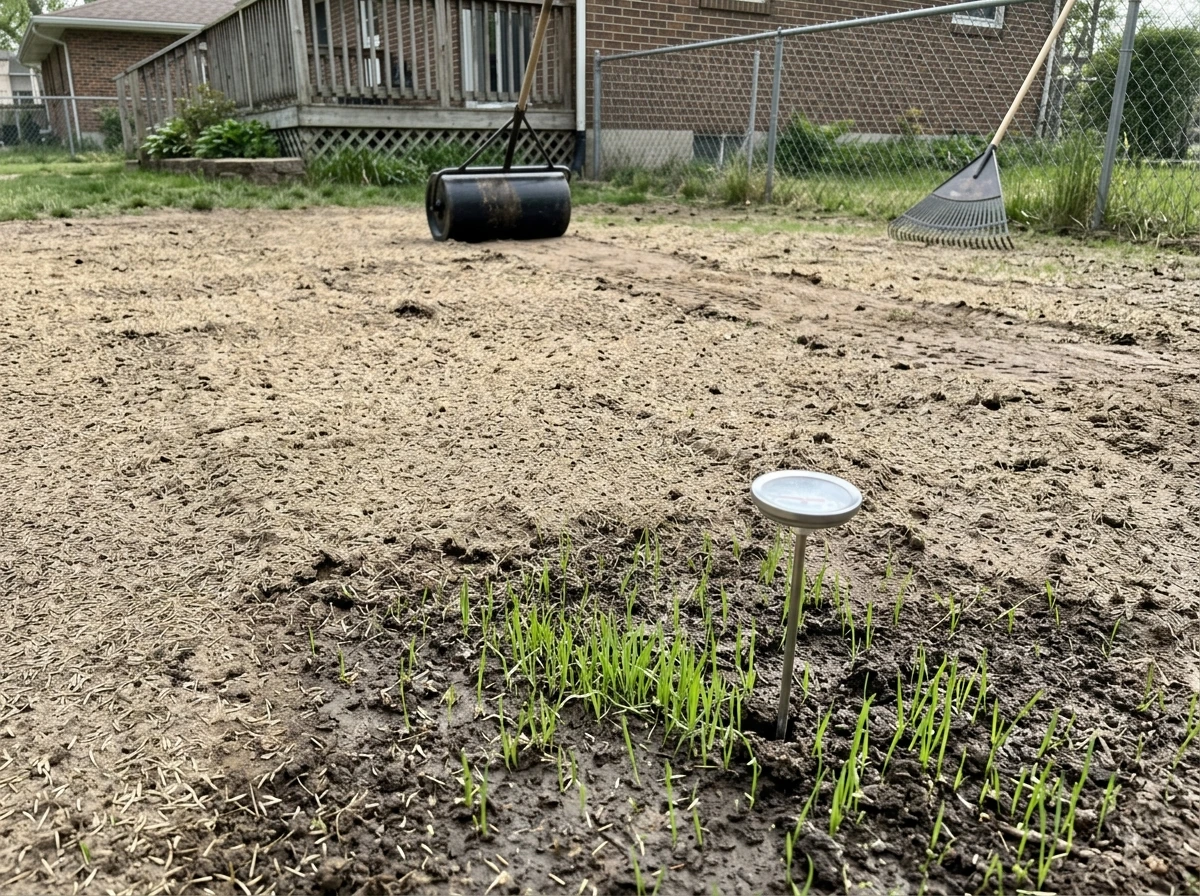
If soil temperatures are below 50°F, germination slows dramatically or stalls entirely. If you're seeding in spring and the ground is still cold, or seeding in late fall after the soil has cooled down, you'll be waiting much longer than 5 to 10 days. NC State and Purdue both confirm that soil temperatures above 60°F are needed for consistent germination, with 68 to 77°F being the air temperature optimum.
Moisture
This is the factor you have the most control over. Germinating fescue seed needs to stay consistently moist, not flooded, but never allowed to dry out. NC State Extension recommends light, frequent watering several times per day during germination. UMN Extension's fine fescue protocol suggests transitioning from multiple-daily waterings to twice daily for the first week post-germination, then once daily, then gradually weaning off irrigation to push roots deeper. UGA Extension also emphasizes seedbed moisture and good seed-to-soil contact as critical for success.
Soil and seedbed preparation
Compacted soil is one of the most common reasons fescue seed fails to establish well. Seed needs to make contact with the soil surface and have loose enough structure for roots to penetrate. Penn State Extension lists adequate moisture, favorable temperature, and oxygen as the three requirements for germination. Compacted soil limits oxygen and makes moisture retention uneven. If you haven't loosened the soil before seeding, or if you're overseeding into a very dense existing lawn without any aeration, germination will be slower and patchier.
Sunlight
Tall fescue tolerates partial shade but germinates and establishes best with good sunlight exposure. Fine fescue is more shade-tolerant and is often the better choice for shaded spots under trees. Blue fescue prefers full sun for both germination and long-term performance. In heavy shade, all fescue types will germinate more slowly and grow less vigorously.
Mowing and establishment practices
Mowing too early or too low can set back a young fescue lawn significantly. Wait until the grass reaches about 3 to 3.5 inches before the first cut, and always mow when the grass is dry. After the first mow, stick to the one-third rule: never take off more than one-third of the blade height in a single mowing. UGA Extension cautions specifically against mowing wet seedlings, which can uproot them entirely before the roots have anchored. Also avoid foot traffic on newly seeded areas for the first 4 to 6 weeks whenever possible.
Why your fescue isn't growing (and what to do about it)
If it's been more than 10 to 14 days and you're seeing little or no germination, don't give up yet. There's almost always an identifiable cause, and most of them are fixable.
- Soil temperature is too low: Check your soil temp with an inexpensive thermometer. If it's below 50°F, germination will stall. You may need to wait for warmer conditions or, for spring seedings, be patient as temps climb.
- Seedbed is drying out between waterings: This is the most common issue I see. If you're only watering once a day and the surface dries out in between, the seed can die before it sprouts. Increase to 2 to 3 light waterings per day until you see consistent sprouts.
- Poor seed-to-soil contact: Seed sitting on top of thatch, mulch, or loose debris won't germinate reliably. Rake lightly after seeding to press seed into the soil surface. A light top-dressing of compost or straw can help retain moisture and improve contact.
- Seed was buried too deep: Fescue seed needs light to germinate and shouldn't be buried more than about 1/4 inch. If you raked it in too aggressively, it may be too deep to emerge.
- Compacted soil with poor drainage: Waterlogged or compacted soil prevents germination even when moisture and temperature are right. If water pools after irrigation, you have a drainage or compaction problem. Core aeration before seeding helps significantly.
- Seeding was done at the wrong time of year: Tall fescue seeded in midsummer heat or deep winter will struggle. Early fall (late August to mid-October depending on your region) is the most reliable window. If you missed it, spring is a fallback but expect slower and less complete establishment.
- Old or low-quality seed: Fescue seed has a limited shelf life. Seed that's more than 2 to 3 years old or was stored poorly may have low germination rates. If you're unsure, do a simple paper-towel germination test with 10 seeds before seeding your whole lawn.
- Weed competition or pre-emergent herbicide: If you applied a pre-emergent herbicide (like crabgrass preventer) earlier in the season, it may still be active and blocking germination. Check the label for how long the pre-emergent suppression window lasts before seeding.
If you've checked all of these and still have patchy or failed germination after 3 weeks, the most practical next step is a spot reseeding. Scotts and other brands offer patch-and-repair products specifically for this. Scratch the bare areas lightly, apply fresh seed, top-dress with a thin layer of compost, and water consistently. Spot repairs fill in faster than starting from scratch because the surrounding established grass creates a favorable microclimate for new seedlings.
One last thing worth saying: fescue establishment is genuinely slower than what a lot of people expect going in. Seeing green sprouts in week one feels great, but a truly thick, resilient fescue lawn takes a full growing season to develop. Be patient with the timeline, be consistent with watering in those first few weeks, and you'll get there. If you're also comparing fescue to other grass types in terms of how quickly you can get turf coverage, it's worth reading about how other species like zoysia or bahia compare in their own establishment timelines, since each grass has its own rhythm and seasonal requirements. how long does zoysia grass seed take to grow
FAQ
Why did my fescue seed germinate slower than the 5 to 10 day window?
Yes, it can. If soil stays too cold (often below about 50°F) or you miss consistent seedbed moisture, germination may stall even though you seeded on time. Check soil temperature at seeding depth and look for moisture balance, seed-to-soil contact, and whether the area crusted or dried between waterings.
How long should I wait before assuming my fescue seeding failed?
If the seed is still alive, you typically see a lag rather than total failure. After 10 to 14 days with minimal sprouting, focus on the big culprits first: compacted soil, poor seed-to-soil contact, uneven watering, and heavy shade. Then decide whether to spot repair (around 3 weeks) instead of starting over.
When can I walk on or mow a new fescue lawn without damaging it?
On average, the turf gets “mow-ready” fast, but “walkable” depends on rooting. Avoid heavy foot traffic for roughly the first 4 to 6 weeks, then use gradual traffic and observe whether seedlings pull up easily at the surface. Full wear tolerance usually aligns more with the 2 to 6 month establishment window.
Can hot weather change how long fescue grass seed takes to grow?
Yes. If you seed during summer heat, especially with fine fescue, you may get slower, uneven emergence. In that case, keep moisture light but frequent during germination, protect the bed from drying and crusting, and plan for a longer timeline than the typical 5 to 10 days.
Is it okay to keep fescue seedbed constantly wet?
Overwatering can be as harmful as underwatering, because it can reduce oxygen around the seed and encourage crusting or rot. Aim for consistently moist, not flooded conditions, and adjust based on drainage and how quickly the top layer dries.
How deep should fescue grass seed be planted?
Raking too aggressively or covering too deeply can delay or reduce germination. The goal is good seed-to-soil contact with minimal burial, then keep the top layer moist until sprouting is established. If you used heavy top-dressing, emergence can take longer.
What’s the best fix if only part of my lawn germinated?
For patchy lawns, spot reseeding usually beats whole-lawn reseeding once germination has clearly failed in sections. Lightly scratch the bare areas, add fresh seed, top-dress thinly, and water consistently so the new seedlings establish in the improved microclimate.
Can I mow fescue earlier than 2 to 3 weeks if it looks tall enough?
If the grass is still below recommended heights, mowing can set you back. A practical rule is to wait until it reaches about 3 to 3.5 inches before deeper mowing, keep the first cut higher (around 1 to 1.5 inches), and mow only when the blades and soil are dry.
Will a branded tall fescue mix change how quickly my lawn will fully establish?
Yes, seed mixes can make timelines feel inconsistent. Different fescue types (tall vs fine) and branded blends may germinate at slightly different rates, and the “rapid” mix claims often refer to visible green-up, not complete root establishment.
Does blue fescue grow on the same timeline as tall or fine fescue lawn grass?
Blue fescue is a clumping ornamental, so the “how long does fescue take to grow” lawn timelines do not really apply. From seed, expect a longer process to reach a mature, wide clump, often over multiple seasons, not a dense turf lawn within months.
Next Article
How Long Does Zoysia Grass Seed Take to Grow?
Learn zoysia seed growth timeline from sowing to germination, seedlings, and full lawn, plus fixes for slow germination.