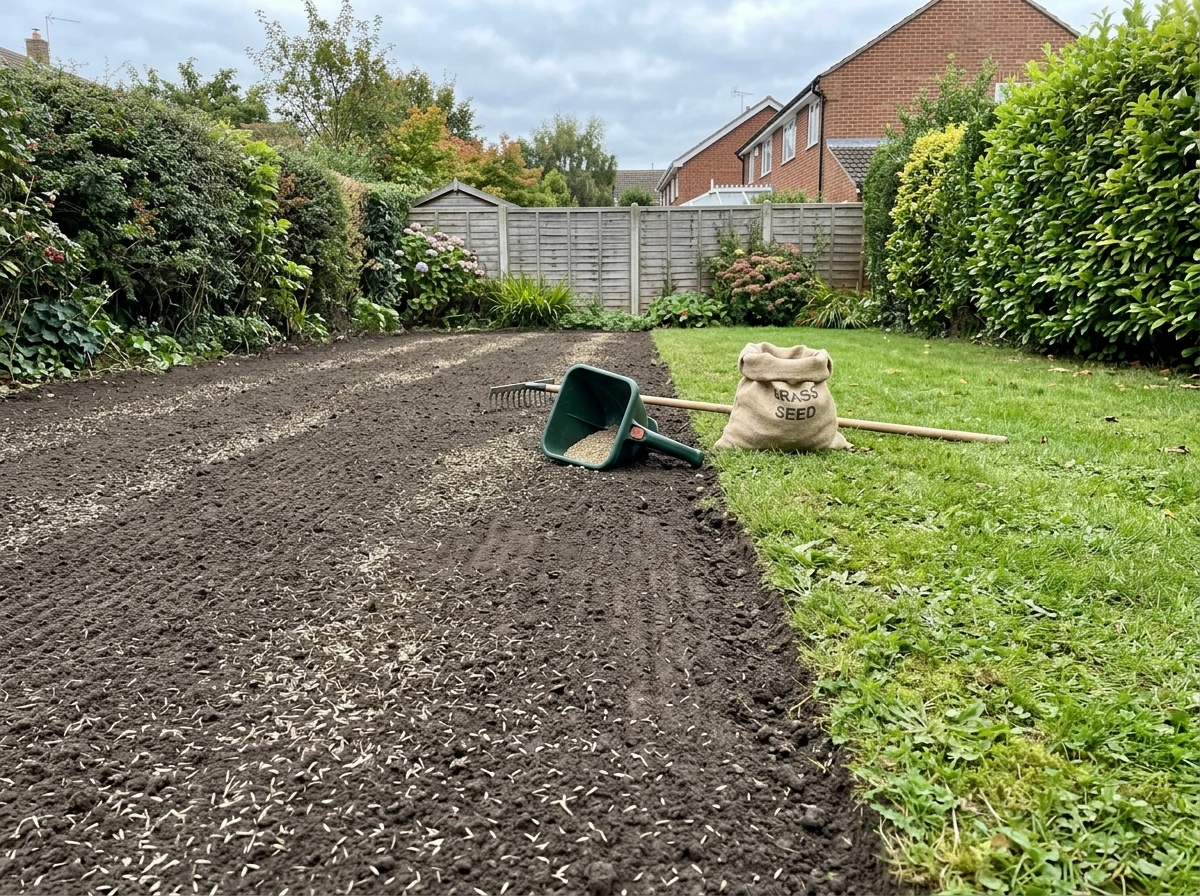
Most Scotts grass seed will show its first sprouts somewhere between 4 and 14 days after planting, depending on which blend you're using and what the conditions are like. Cool-season blends like the Sun & Shade Mix can pop up in as little as 4 days under good conditions. Bermudagrass takes a bit longer, typically 7 to 10 days to emergence under optimum conditions, and won't even start the process until soil temperatures hit around 65°F. A genuinely full, green lawn is more of a 3 to 6 week journey, not a weekend project, but with the right setup you can get there faster than you'd expect.
How Long Does Scotts Grass Seed Take to Grow?
Marcus Henley
24 Mar 2026
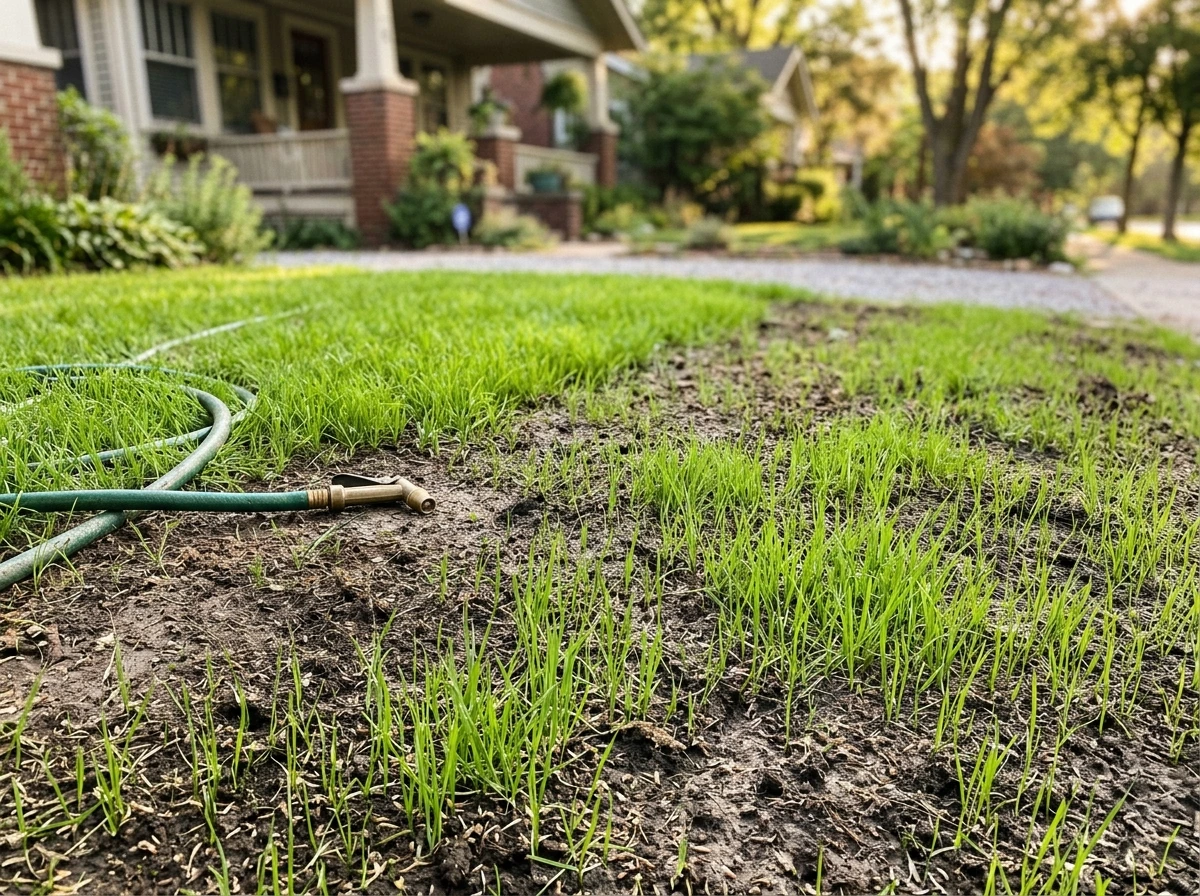
Typical Germination Timeline for Scotts Grass Seed
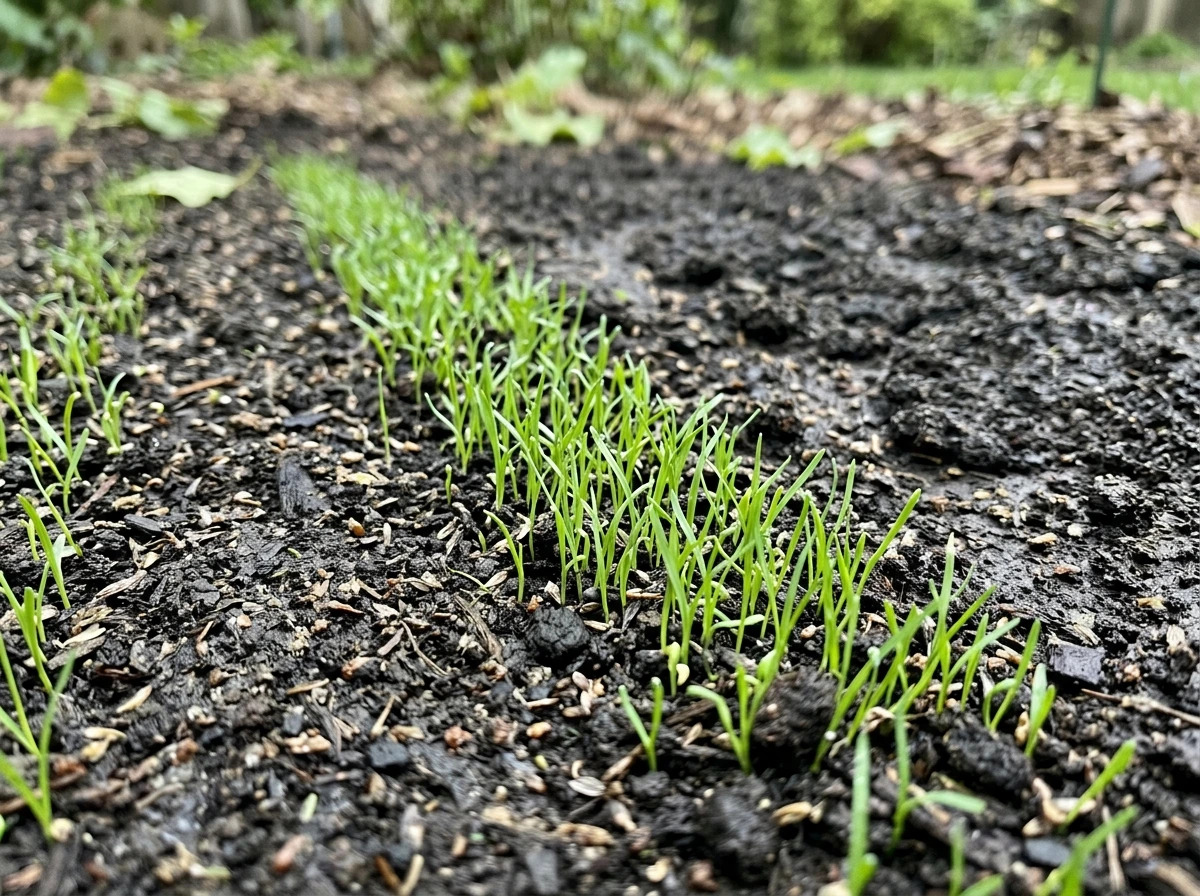
Scotts makes a wide range of grass seed blends, and the germination window varies by type. The cool-season blends are generally the fastest out of the gate. Here's a realistic breakdown of what to expect phase by phase.
| Scotts Blend / Type | First Sprouts (Germination) | Early Seedling Stage | Noticeably Full Lawn |
|---|---|---|---|
| Sun & Shade Mix (cool-season) | As early as 4 days | 7–14 days | 4–6 weeks |
| Quality All-Purpose Mix (cool-season) | Under 7 days at 60–70°F | 7–14 days | 4–6 weeks |
| Bermudagrass (standard seed) | 7–10 days (optimum conditions) | 2–3 weeks | 6–8 weeks |
| Rapid Grass Bermudagrass (seed + fertilizer mix) | 7–10 days | 2–3 weeks | 21–28 days |
These ranges assume reasonably good conditions: correct planting season, consistent moisture, and decent soil contact. If any of those variables are off, you can easily add a week or two to each phase. Germination itself is just the beginning. The seedling stage, where the grass is up but still fragile, can last another two to three weeks before the lawn starts looking like something you'd brag about.
Scotts Bermuda Grass Seed: What to Expect and When
Bermudagrass is a warm-season grass, and it has one hard rule: soil temperature has to reach at least 65°F before it will germinate. Below that threshold, you can water and wait all you want, and nothing is going to happen. Research confirms that temperatures lower than about 59°F (15°C night / 77°F day) severely reduce germination rate, so planting timing matters a lot here. In practice, that means late spring in most of the U.S., typically after soil temps have been consistently warm for a week or two.
Under optimum conditions, standard Scotts Bermudagrass seed emerges in 7 to 10 days, with full emergence of the seedling population typically taking 14 to 21 days. If you're using Scotts Turf Builder Rapid Grass Bermudagrass (which combines seed with a fertilizer coating designed to accelerate establishment), Scotts says you can expect a full, green lawn in 21 to 28 days when applied at the new lawn rate. That's notably faster than seeding with standard Bermuda seed alone, which realistically takes 6 to 8 weeks to look full.
Scotts' own watering guidance for Bermudagrass tells you to water daily or as needed to keep the soil moist for at least 3 weeks, or until seedlings reach 2 inches in height. That 3-week mark is a useful mental anchor: if you're not seeing meaningful coverage by week 3 under good conditions, it's worth troubleshooting (more on that below). Once seedlings hit 2 inches, you're ready to start thinking about the first mow, with Scotts recommending you wait until new grass reaches 2 to 3 inches before cutting.
What Actually Changes How Fast Scotts Grass Seed Grows
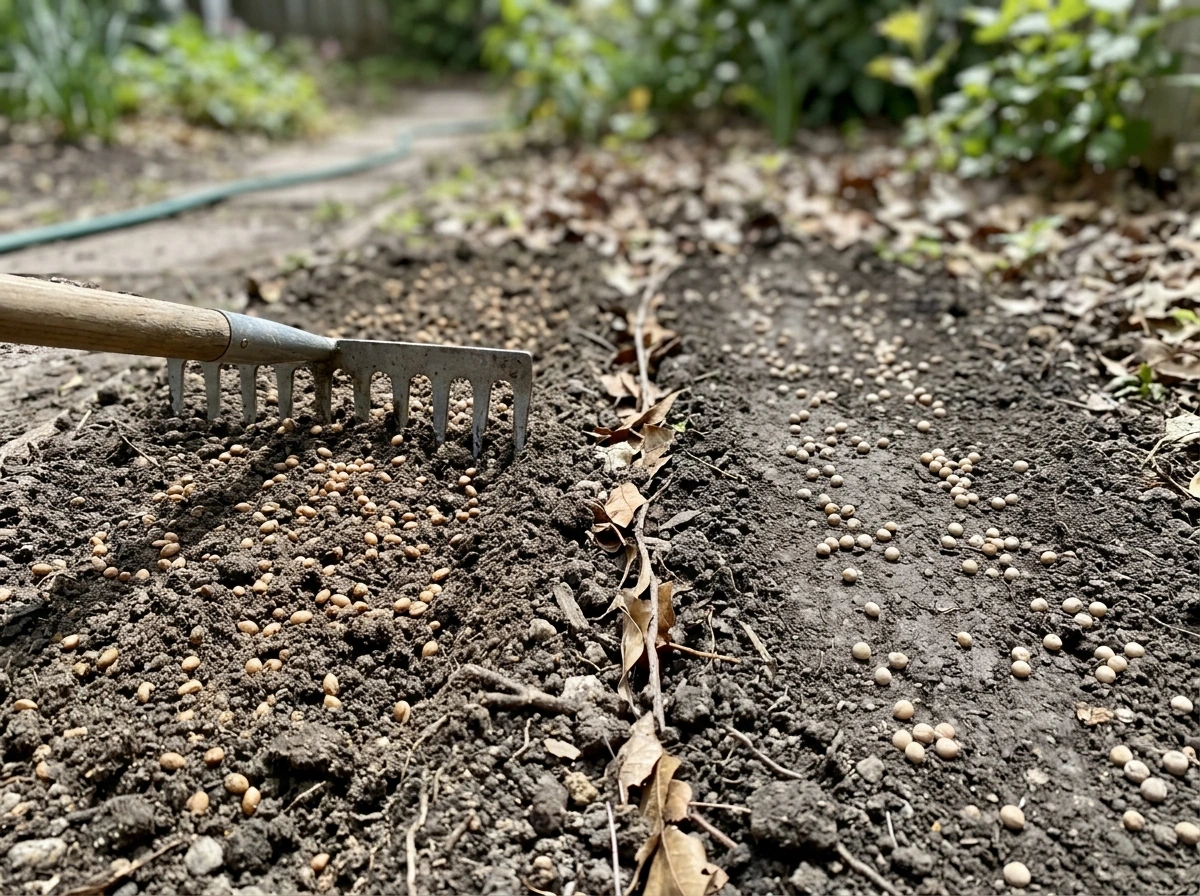
This is where most people go wrong. They buy the seed, scatter it, water a bit, and then wonder why it's taking forever. The growth speed is almost entirely determined by a handful of variables, and understanding them makes the difference between a frustrating experience and a lawn that actually delivers.
Soil Temperature
This is the single biggest factor, especially for warm-season grasses like Bermuda. Cool-season grasses in Scotts blends (fescues, bluegrass, ryegrass) generally germinate well at 60 to 70°F soil temperature. Bermudagrass needs at least 65°F and really performs best when it's warmer than that. A cheap soil thermometer (a few dollars at any garden center) is genuinely worth having. Air temperature can feel warm while soil is still cold, especially early in spring.
Watering Consistency
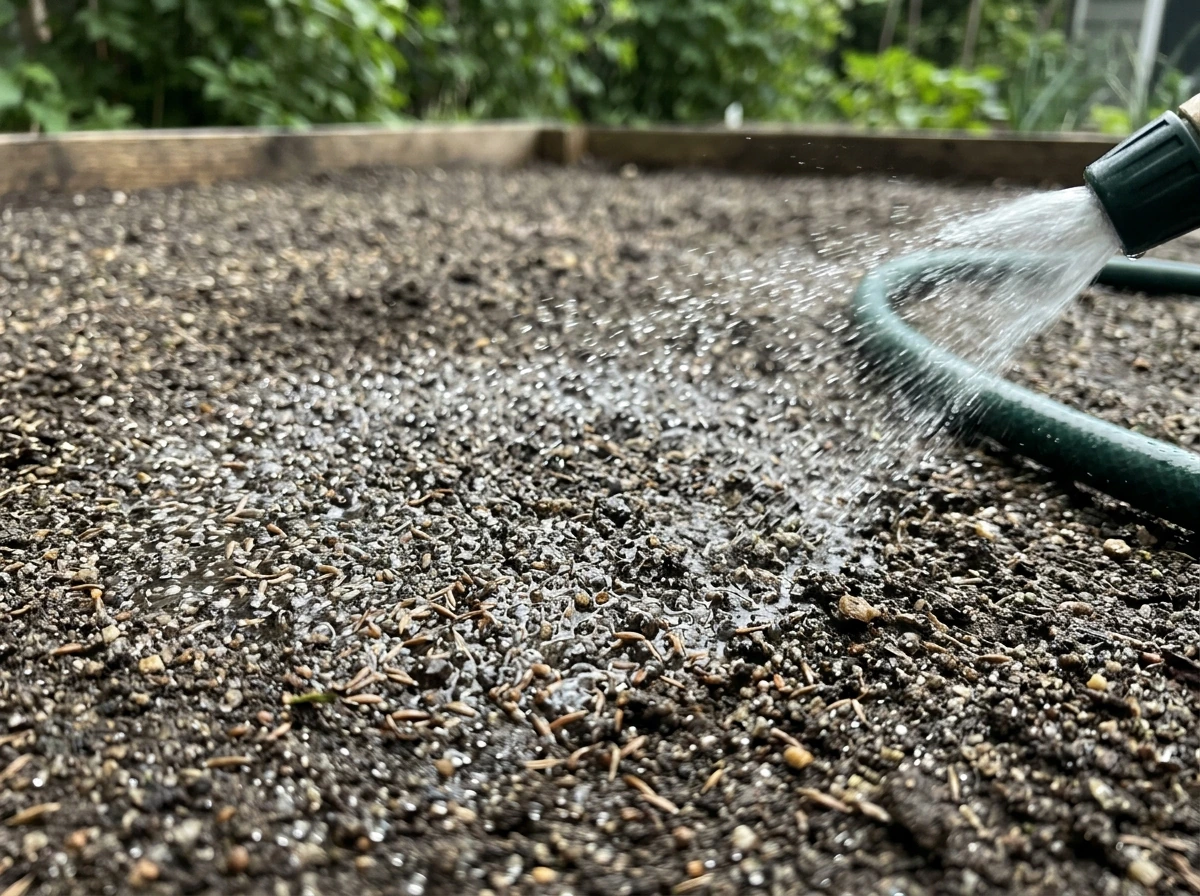
Scotts is clear on this: keep the top inch of soil consistently moist but not soggy until germination, then extend that to the top 2 inches until the lawn reaches mowing height (roughly 2.5 to 3.5 inches). After your first mow, you can back off to about twice a week with deeper soaks, watering 6 to 8 inches deep to encourage roots to go down. The most common mistake is watering once or twice and then stopping for a few days. Even a single day of the seedbed drying out during germination can kill seeds that were just about to sprout.
Seed-to-Soil Contact
Grass seed needs to actually touch soil to germinate. If it's sitting on top of thatch, mulch, or compacted ground, it struggles. Raking lightly after spreading helps, and a firm seedbed matters more than most people realize. Research on warm-season establishment consistently highlights a clean, firm, smooth soil surface as a prerequisite for reliable germination. For Bermudagrass especially, you want shallow planting, not deep burial, because the seed needs warmth from the surface.
Sunlight and Shade
Scotts makes blends specifically formulated for shade (like the Sun & Shade Mix), but even shade-tolerant blends need some light. Heavy, dense shade will slow germination and reduce density noticeably. Bermudagrass in particular is a full-sun grass, it genuinely does not like shade and will thin out quickly in lower-light areas. If you're working with a shady spot, a cool-season mix designed for shade will serve you much better than a Bermuda product.
Soil Type, pH, and Compaction
Heavy clay soil stays cold longer and drains poorly, both of which slow germination. Sandy soil drains too fast, making it hard to keep moisture consistent. A slightly loamy, well-draining seedbed is the sweet spot. Soil pH also matters: prolonged exposure to acidic conditions has been shown to decrease Bermudagrass seed germination. If your soil is very acidic (below pH 6.0), a lime application before seeding can make a real difference in both germination rate and early growth speed.
How to Speed Up Growth and Get Better Results
You can't force grass to grow faster than its biology allows, but you can remove every obstacle that's slowing it down. These are the moves that actually make a difference.
- Check soil temperature before you seed, not after. Use a soil thermometer 2 to 3 inches deep. For cool-season Scotts blends, aim for 60°F or warmer. For Bermuda, wait for 65°F minimum.
- Prepare the seedbed properly. Loosen the top 2 to 3 inches of soil, remove debris, and firm it lightly with a roller or the back of a rake. Seed needs contact, not just proximity.
- Water lightly and frequently right after seeding. Multiple short waterings per day (to keep the top inch moist without puddling) beat one heavy session. A sprinkler timer helps enormously here.
- Use a starter fertilizer. Scotts sells starter fertilizer specifically for new lawns. The phosphorus in a starter fertilizer supports root development right from germination.
- Avoid foot traffic for at least 3 to 4 weeks. Every footstep on germinating seed disrupts the seedbed and can kill fragile new seedlings.
- Consider the Rapid Grass formula for Bermuda if you need faster results. The combination of seed and fertilizer in Scotts Rapid Grass Bermudagrass can cut the time to a full-looking lawn roughly in half compared to standard seed alone.
- Time your seeding correctly. For cool-season blends, fall is the best window (soil is still warm, air is cooling). For Bermuda, late spring to early summer is ideal, once soil temps are consistently above 65°F.
What Happens After Germination: Seedling Stage vs. Full Establishment
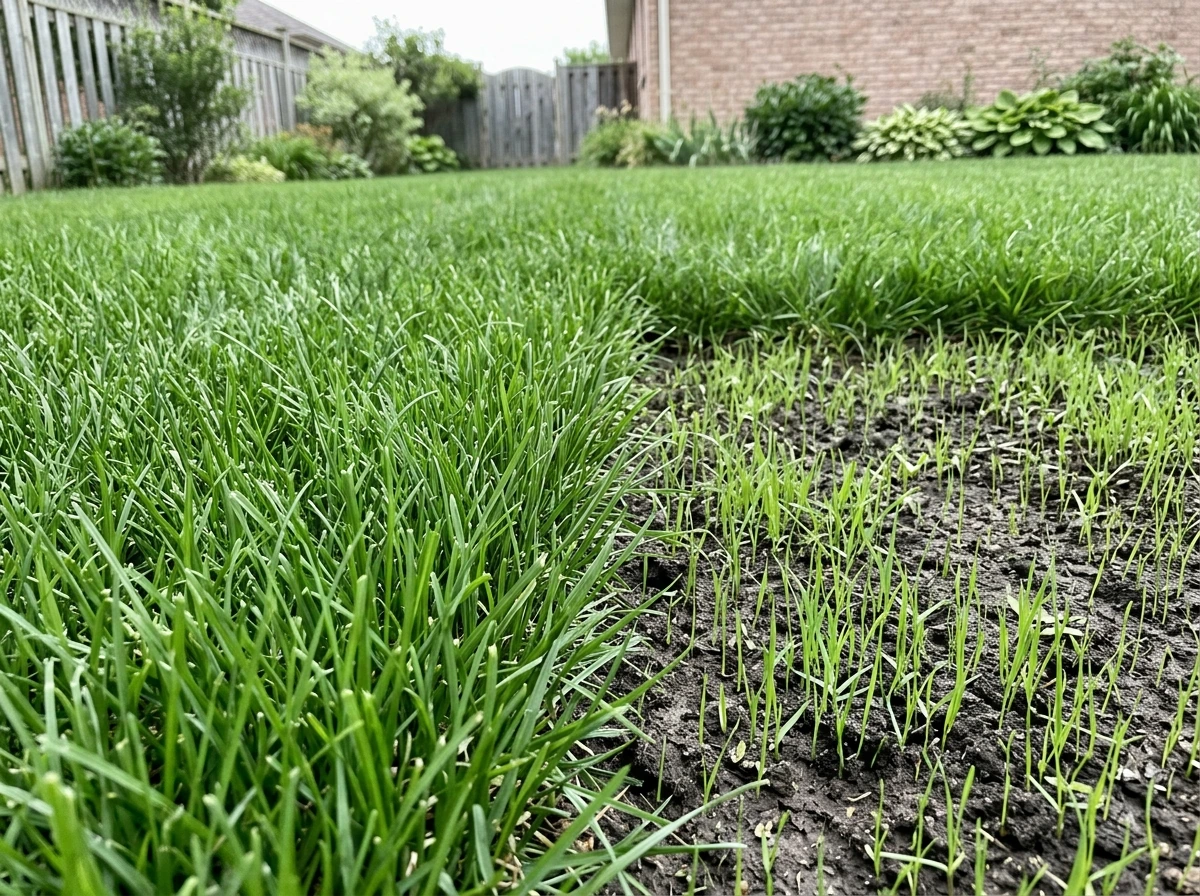
Seeing the first green sprouts is exciting, but that's only the beginning. The seedling stage, roughly the first 2 to 4 weeks after germination, is when the grass is at its most vulnerable. The roots are shallow, the blades are thin, and any stress (drought, foot traffic, hard mowing) can set you back significantly. During this period, keep the soil moist to 2 inches deep and stay off the lawn as much as possible.
Once your new grass reaches 2.5 to 3.5 inches in height, it's time for the first mow. This is actually an important step, not just for appearance but because mowing stimulates lateral growth and helps the lawn fill in. Never cut more than one-third of the blade height in a single mow. After that first mow, you can start backing off watering to twice a week with deeper soaks (6 to 8 inches), which trains roots to grow deeper and makes the lawn more drought-resilient over time.
Full establishment, meaning the lawn can handle normal use, regular mowing, and some stress without thinning, takes longer than most people expect. For cool-season blends, plan on 6 to 8 weeks from seeding to a lawn that feels genuinely established. For Bermudagrass, a true thick, filled-in lawn can take a full growing season if you're starting from seed alone. The Rapid Grass Bermudagrass product compresses this to 3 to 4 weeks visually, but the root system is still developing and deserves some care for the rest of the season.
Slow or No Growth? Here's How to Troubleshoot It
If you're past the expected germination window and still seeing bare ground, don't panic yet. There are a handful of specific causes that account for the vast majority of slow or failed germinations, and most of them are fixable.
Check Soil Temperature First
This is the most common culprit, especially with Bermudagrass. If your soil is still below 65°F, Bermuda simply will not germinate, period. For cool-season types, cold soil (below 50°F) dramatically slows germination even if the air feels fine. Get a soil thermometer and check 2 to 3 inches deep. If temperature is the issue, you just need to wait. There's no watering trick that overrides cold soil.
Is the Seedbed Drying Out?
Poke a finger an inch into the soil. If it's dry, that's likely your problem. Even one day of dry conditions can kill seeds mid-germination. Increase watering frequency, not volume. You want the top inch consistently moist, not soaked. If you live somewhere with hot, dry wind, the surface can dry out within hours of watering, so light multiple-times-a-day watering is better than one long session.
Was the Seed Buried Too Deep or Sitting on Top?
Grass seed is tiny and should be planted at a very shallow depth. If you raked too aggressively and buried it more than a quarter inch, germination will suffer. On the flip side, seed sitting completely on hard, compacted soil surface with no soil contact will also fail. Light raking after spreading, just enough to make seed-to-soil contact, is the right move.
Soil pH Issues
If your soil is highly acidic (pH below 6.0), especially for Bermudagrass, germination rates drop noticeably. A basic soil test (usually available through your local extension office for a few dollars) tells you exactly where you stand. If pH is the issue, lime takes several weeks to adjust soil chemistry, so this is more of a fix for your next seeding attempt than an immediate solution.
When to Conclude the Seeding Failed
Germination can take as long as 21 days or longer under suboptimal conditions, so don't give up too quickly. But if you're 4 weeks past seeding, soil temperatures have been appropriate, you've watered consistently, and you're still seeing less than 30% coverage, the seeding likely failed. At that point, it makes more sense to prep the seedbed again and reseed than to wait longer. Before reseeding, identify which of the variables above may have been the issue so you don't repeat the same result. how long to grow grass from seed uk
Quick Troubleshooting Reference
| Symptom | Most Likely Cause | Quick Fix |
|---|---|---|
| No germination after 14 days (Bermuda) | Soil too cold (below 65°F) | Wait for warmer soil temps; check with thermometer |
| No germination after 10 days (cool-season) | Soil too cold or seedbed drying out | Check soil temp and moisture; water more frequently |
| Patchy, thin germination | Poor seed-to-soil contact or uneven watering | Lightly rake bare spots, reseed, and adjust irrigation |
| Seedlings sprouting then dying | Seedbed drying out after emergence | Water more frequently; keep top 2 inches moist |
| Very slow growth across whole lawn | Low soil temp, acidic soil, or deep seed burial | Test soil pH; verify planting depth; check temperature |
| No growth in shaded areas | Bermuda seed used in shade | Overseed shade areas with a cool-season shade blend |
Scotts grass seed is genuinely reliable when conditions are right. The timeline from first sprouts to a full lawn isn't magic, it's just biology responding to soil temperature, moisture, and seedbed quality. Get those three things right, give it the realistic window it needs Get those three things right, give it the realistic window it needs (3 to 8 weeks depending on which product and grass type you're using), and you'll end up with the lawn you were hoping for when you picked up that bag., and you'll end up with the lawn you were hoping for when you picked up that bag.
FAQ
If I do not see sprouts by day 14, should I reseed Scotts grass seed immediately?
Not automatically. First confirm soil temperature at seed depth (2 to 3 inches) and moisture consistency. If you are still within an extended germination window due to cool or cloudy weather, give it more time, but if you are about 4 weeks past seeding with appropriate temperatures and watering and you still have under about 30% coverage, plan on re-prepping the seedbed and reseeding rather than waiting longer.
How often should I water Scotts grass seed during the first couple of weeks?
Aim for frequency, not a single big soaking. Keep the top inch consistently moist until germination, then extend to about the top 2 inches until mowing-height turf. In hot, windy conditions, the surface can dry quickly, so multiple light waterings are often better than one long session.
Can I speed things up by watering more or fertilizing right away?
More water does not replace the right germination conditions, and excess water can create soggy seedbed problems. For most Scotts seed, stick to the moisture targets and wait until the lawn reaches the recommended height before the first mow. If you are using a starter product (like Scotts Turf Builder Rapid Grass Bermudagrass), follow its label timing, since the fertilizer timing differs from basic seed-only blends.
What soil temperature should I check, and where do I measure it?
Check soil temperature, not just air temperature, and measure about 2 to 3 inches deep using a simple soil thermometer. Bermuda often will not germinate until the soil reaches around 65°F, and cool-season types can also slow down significantly if soil is too cold.
Does mowing before the first mow date slow down establishment?
Yes. Cutting too early stresses fragile seedlings and can reduce fill-in. Wait until the new grass is roughly 2.5 to 3.5 inches tall, and never remove more than about one-third of the blade height in a single mow.
How can I tell whether the seed is failing versus just slowly germinating?
Compare your conditions to the expected windows. If soil was consistently too cold (for Bermuda, below about 65°F), or the seedbed dried at any point during germination, odds of failure increase. If temperatures were appropriate and you see minimal coverage after several weeks, troubleshoot seedbed contact, depth, and pH rather than only adding more water.
Is it better to plant Scotts grass seed in shade or full sun?
It depends on the grass type. Cool-season shade mixes can work where there is limited light, but dense shade still reduces density and slows germination. Bermuda is a full-sun grass and typically thins quickly in shade, so using a shade-appropriate cool-season product is usually the better choice for low-light areas.
My seed was spread, but the ground has a lot of thatch or mulch, will it still grow?
It will be harder. Seeds generally need direct contact with soil to germinate, so heavy thatch or mulch can block seed-to-soil contact. If your surface is uneven or compacted, lightly rake after spreading to make contact, but avoid burying seed too deep.
How deep should Scotts grass seed be planted?
Very shallow. If you bury it deeper than roughly a quarter inch (for most home applications), emergence suffers. If it is completely sitting on hard, compacted ground with no soil contact, it also struggles, so the goal is light coverage that maintains seed-to-soil contact.
Does soil pH really affect how long it takes Scotts Bermuda seed to grow?
It can. If pH is very acidic (below about 6.0), germination can drop noticeably for Bermuda. Lime can help, but it usually takes weeks to take effect, so think of pH correction as a plan for the next seeding unless you are already within an active, label-approved soil amendment schedule.
What should I do if my lawn looks patchy after the first few weeks?
Patchiness can be normal early because seedlings fill in over time, but you should evaluate by the expected establishment stage. Stay consistent with watering to the target depth until the turf reaches mowing height, then transition to deeper but less frequent watering. If, after several weeks, patches remain and coverage is very low, focus on seedbed issues (contact, depth), cold soil history, and shade conditions before reseeding.
Next Article
How Long to Grow Grass From Seed in the UK
UK timeline for growing grass from seed: sprout, establish, first mow and traffic, plus fixes for slow germination.