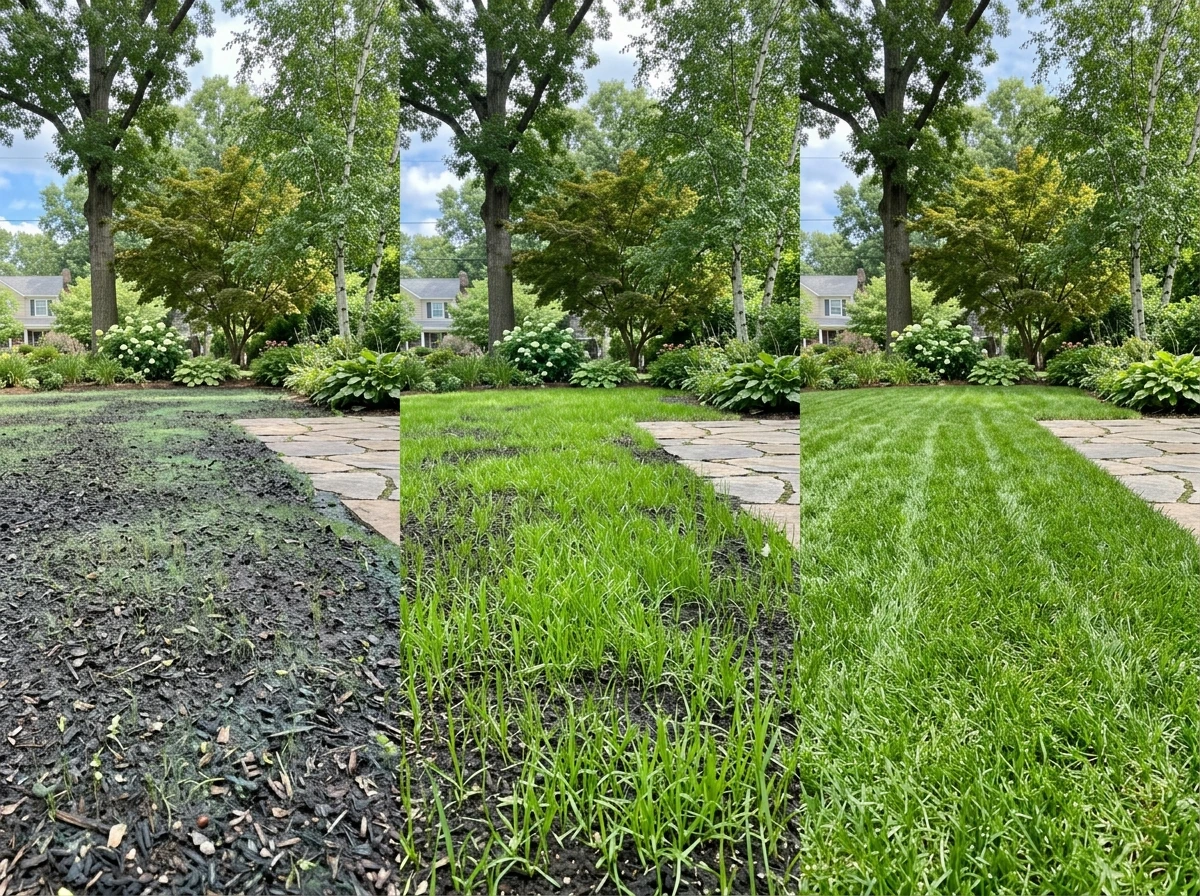
Most grass seed will start to germinate somewhere between 5 and 21 days after planting, depending on the grass type and your growing conditions. Under typical home-lawn conditions with good moisture and the right temperatures, you can usually expect to see a faint green cast and tiny seedlings poking up within 7 to 14 days. A lawn that looks genuinely grassy and is ready for its first mow takes closer to 6 to 8 weeks. That's the honest answer. Everything below will help you understand exactly where your lawn falls in that range and what to do if nothing is showing up.
How Long After Planting Grass Seed Will It Grow
Marcus Henley
24 Mar 2026
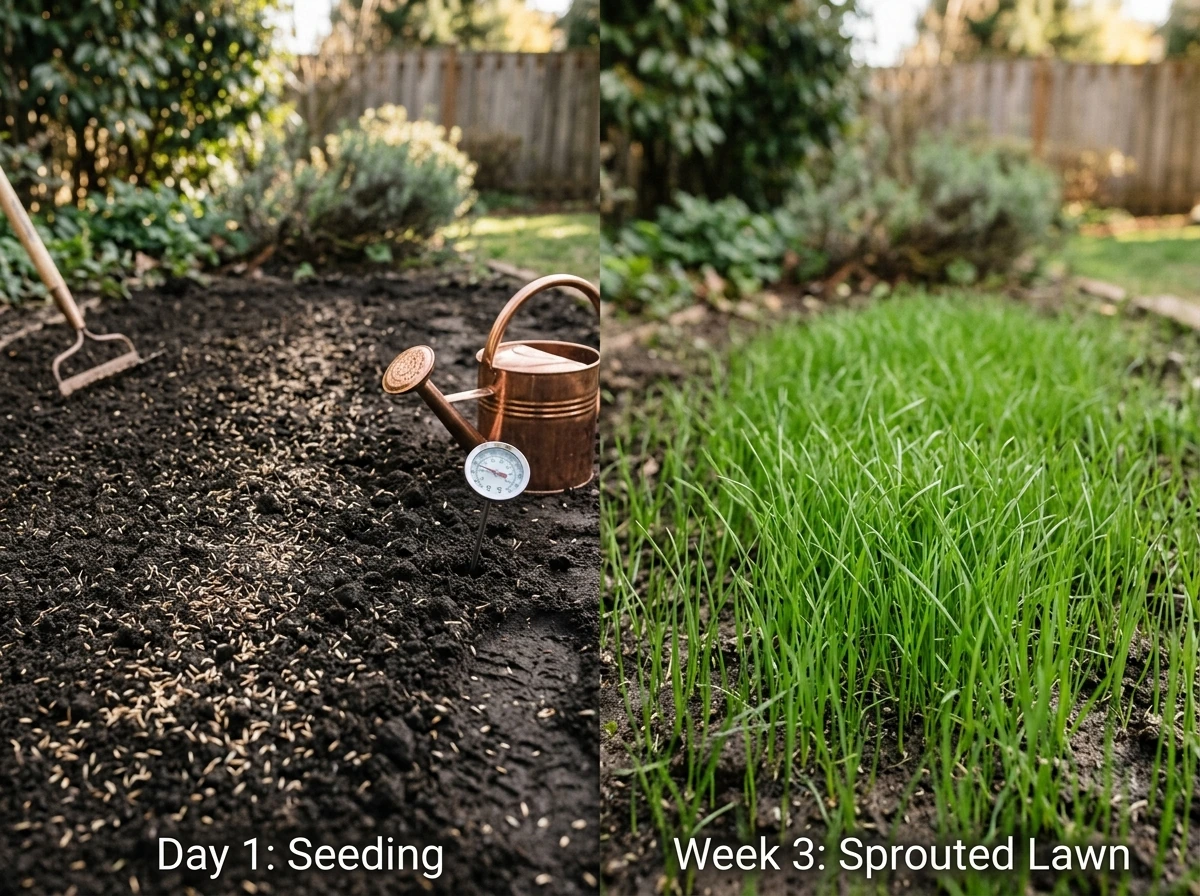
What to expect in the first few weeks
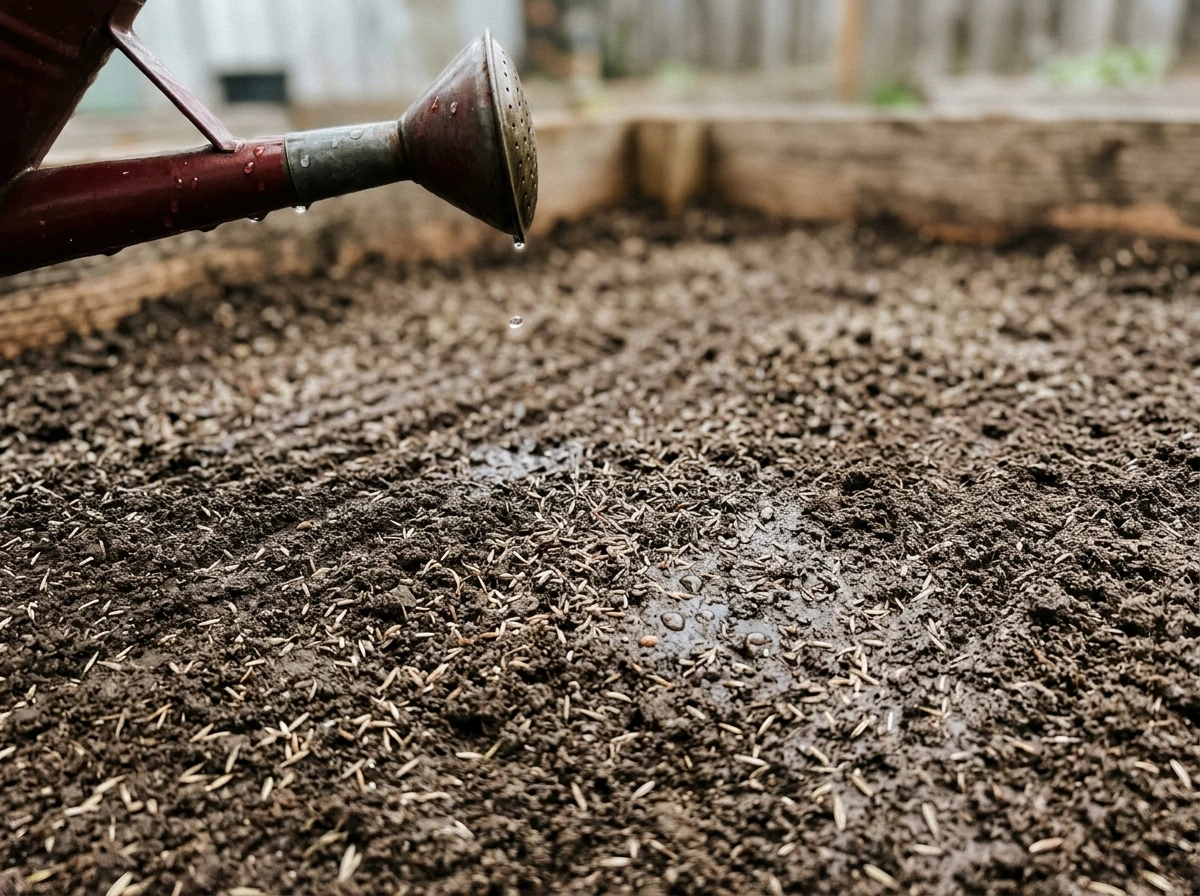
The timeline from seed to mow-ready lawn moves through three distinct stages, and it helps to know what each one looks like so you're not panicking at day 10 because you don't have a full lawn yet.
First, germination happens underground. The seed absorbs moisture, cracks open, and sends out a root and a shoot. You won't see anything above the soil during this phase. Depending on grass type and conditions, this takes about 5 to 21 days. Cool-season mixes tend to move faster; warm-season grasses take longer and are pickier about soil temperature.
Then comes visible emergence, which is the moment you've been waiting for. The shoot breaks the surface, and you'll first notice a green tint across the seedbed, followed by seedlings that are roughly 1/4 to 1/2 inch tall. OSU Extension puts it simply: expect to see green grass in about a week, which lines up with the 7 to 10 day window you'll hear from most seed manufacturers.
Finally, establishment is when the seedlings develop deeper roots, the lawn fills in, and it's dense enough to handle mowing and light foot traffic. This typically takes 4 to 8 weeks from planting. Some fast-establishing mixes, like perennial ryegrass, push toward the shorter end. Slower grasses like Kentucky bluegrass or fine fescue can take closer to 8 weeks or more before they look and act like a real lawn.
Germination vs. visible growth vs. full establishment: know the difference
One of the most common mistakes people make is expecting a thick, green lawn at the two-week mark. What you'll actually see at two weeks (if everything is going right) is a thin layer of young seedlings, maybe 1 to 2 inches tall, with a lot of soil still visible between them. That's completely normal. Full density, where the lawn looks uniform and lush, takes much longer.
Think of it in three phases: germination (days 5 to 21, underground), emergence (first visible green, roughly days 7 to 14), and establishment (mow-ready coverage, weeks 4 to 8). The gap between emergence and establishment is where most people lose patience. The seedlings are growing roots during this time, which you can't see but which matter enormously for the lawn's long-term health.
Cool-season vs. warm-season grass: timelines side by side
Grass type is one of the biggest variables in your timeline. Cool-season grasses like perennial ryegrass, tall fescue, Kentucky bluegrass, and fine fescue are what most homeowners in northern states (and the UK) are seeding. Warm-season grasses like bermudagrass, zoysiagrass, and bahiagrass are more common in the South and perform well in heat. Their germination requirements and timelines are quite different.
| Grass Type | Germination (Days) | Emergence Visible | Mow-Ready | Ideal Soil Temp |
|---|---|---|---|---|
| Perennial Ryegrass | 5–10 days | ~7 days | 4–6 weeks | 50–65°F (10–18°C) |
| Tall Fescue | 7–14 days | ~10 days | 5–7 weeks | 50–65°F (10–18°C) |
| Kentucky Bluegrass | 14–21 days | ~14–21 days | 6–8 weeks | 59–86°F (15–30°C) |
| Fine Fescue | 14–21 days | ~14 days | 6–8 weeks+ | 50–65°F (10–18°C) |
| Bermudagrass | 10–21 days | ~14 days | 6–8 weeks | 65–70°F+ (18–21°C+) |
| Zoysiagrass | 14–21 days | ~14–21 days | 8–10 weeks | 65–70°F+ (18–21°C+) |
| Bahiagrass | 14–21 days | ~14–21 days | 7–9 weeks | 65–70°F+ (18–21°C+) |
A quick note on common lawn mixes: most bags sold at garden centers or hardware stores labeled as "sun and shade mix" or "all-purpose lawn mix" are blends of cool-season grasses, usually some combination of perennial ryegrass, tall fescue, and Kentucky bluegrass. The ryegrass component germinates fastest (sometimes within 5 to 7 days), which is why you'll often see green showing up early even though the bluegrass in the same mix won't germinate for another week or two. That's normal, and it means the full lawn won't look consistent until all components have established.
For warm-season grasses, soil temperature is even more critical. Bermudagrass and other warm-season species really need soil temperatures at or above 65 to 70°F before they'll germinate reliably. Planting too early in spring, when air temperatures feel warm but soils are still cold, is one of the most common reasons people end up waiting and waiting with no results.
The four biggest things that affect your timeline
Soil temperature
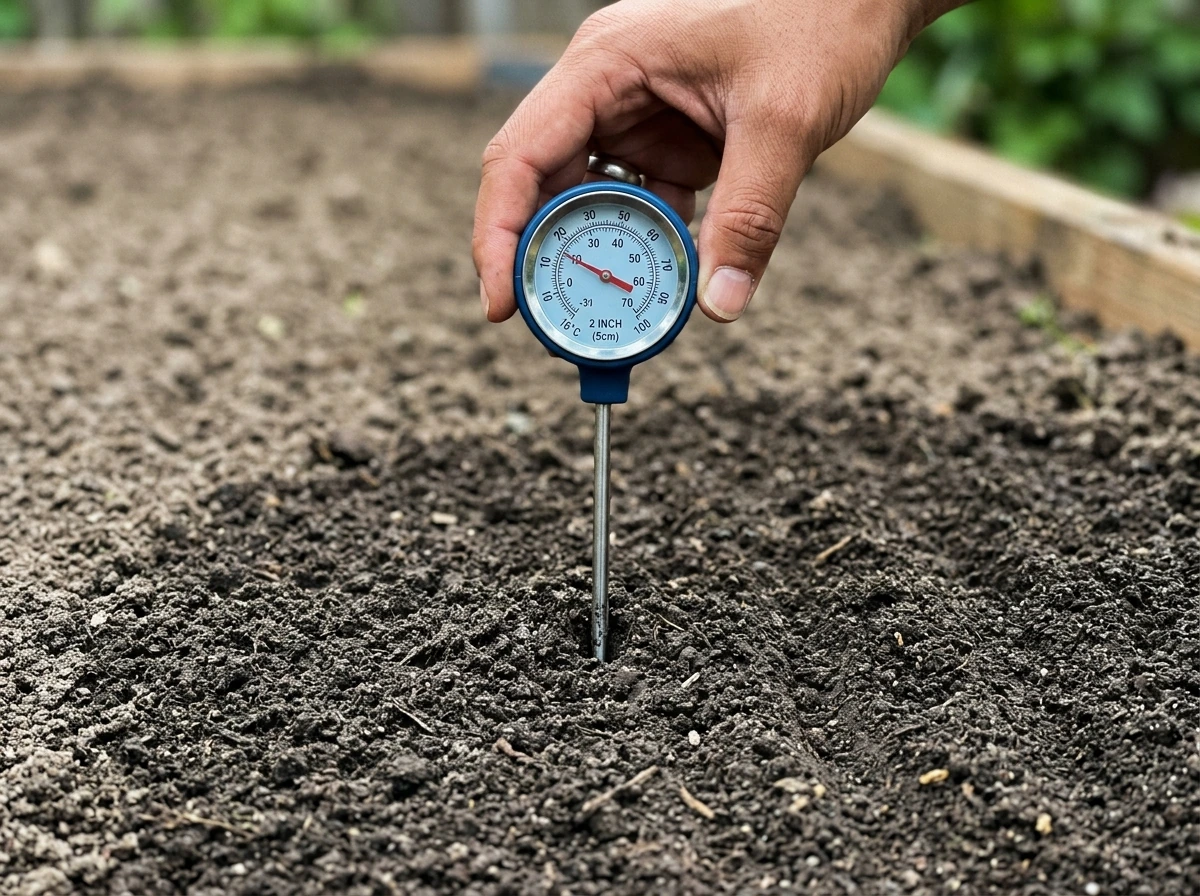
This is the single most important factor. Grass seed doesn't respond to air temperature, it responds to soil temperature. You can have a string of warm days and still have cold soil, especially in early spring. For cool-season grasses, the sweet spot is roughly 50 to 65°F at the soil surface. Kentucky bluegrass will germinate across a wider range (59 to 86°F), but it's slow at the extremes. For warm-season grasses, soil needs to be consistently at or above 65 to 70°F. A cheap soil thermometer is worth every penny here.
Moisture
Germinating seed needs to stay consistently moist, not soggy. The recommendation from most extension services is to water newly seeded areas 2 to 3 times per day with a light spray, keeping the top inch of soil moist but never waterlogged. Once you see seedlings emerge, you can start to reduce frequency and increase depth of watering to encourage roots to go deeper. If the seedbed dries out even once during germination, you can kill the process entirely. Consistent moisture is the single most important thing you can do after planting.
Seed-to-soil contact
Seed sitting on top of hard, compacted, or thick thatch has a much harder time germinating than seed that's in direct contact with loose soil. This is especially true for small-seeded species like bermudagrass. Raking the seedbed before planting, pressing seed in with a roller, or lightly raking after seeding all help. University of Arkansas research on bermudagrass establishment specifically calls out poor seed-to-soil contact as a key reason for delayed or failed emergence. If you scatter seed on top of an unprepped surface and walk away, don't be surprised if your timeline stretches significantly.
Seeding depth
Grass seed is small and doesn't need to be buried deep. Most grass seed should be planted at about 1/8 to 1/4 inch deep. Too shallow and it dries out quickly and struggles to anchor. Too deep and the seedling runs out of energy before it reaches the surface. This is especially important for fine-seeded warm-season grasses. If you're over-raking after seeding or burying seed too deep, that's likely slowing you down.
Slow or no germination? Here's how to troubleshoot
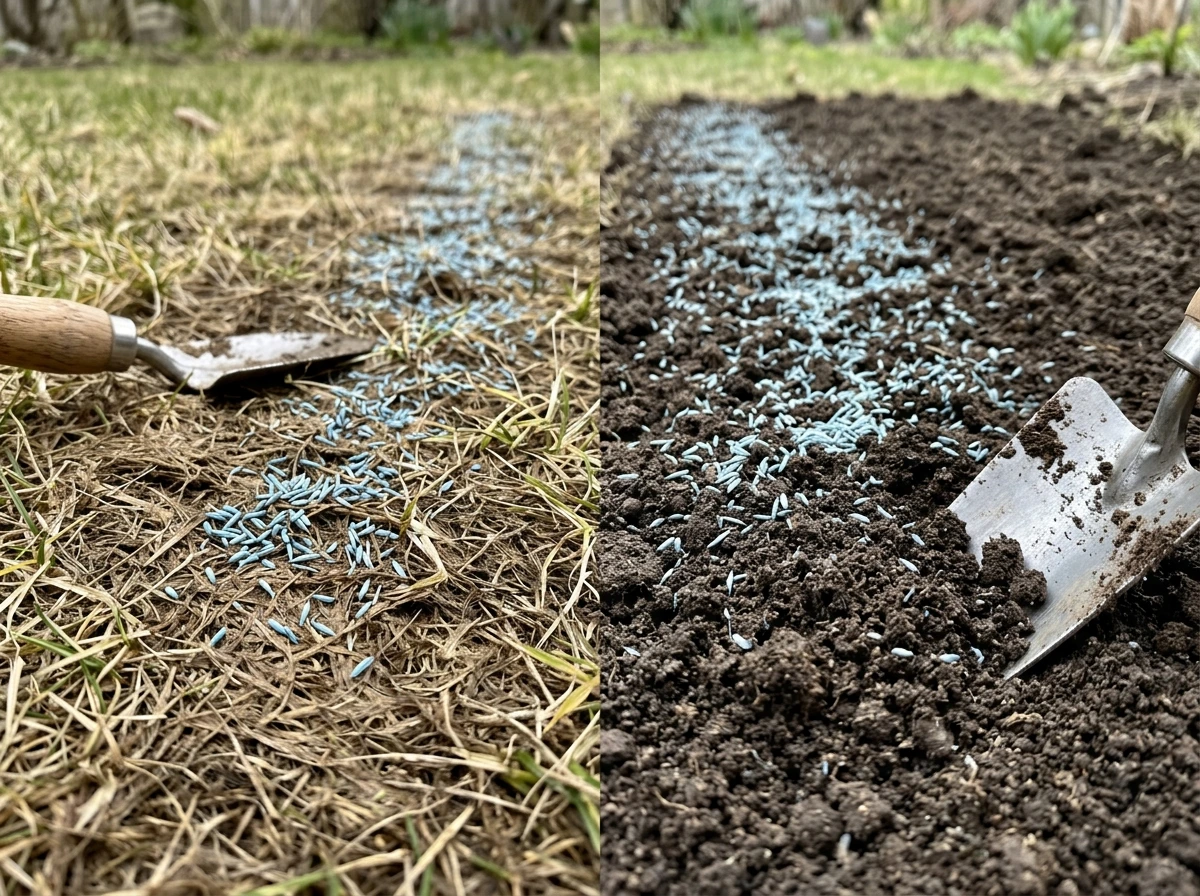
If you're past the 21-day mark and still seeing nothing, run through this checklist before you give up or reseed. Most of the time, one of these is the culprit.
- Soil temperature too low: Check with a thermometer 2 inches below the surface. If you're below 50°F for cool-season or below 65°F for warm-season grasses, germination will be very slow or won't happen.
- Soil drying out between waterings: Even one or two dry cycles during the germination window can stall or kill the process. Increase watering frequency to 2 to 3 light sessions per day.
- Poor seed-to-soil contact: Gently press the back of a rake across the surface. If seed is still sitting visibly on top of a hard or thatchy surface, lightly work it in and firm the area.
- Seed buried too deep: Over-raking can push fine seed more than 1/4 inch down, which exhausts the seedling before it emerges. Avoid heavy raking after seeding.
- Old or low-viability seed: Seed that's been stored more than a year or exposed to heat and humidity may have reduced germination rates. Check the germination percentage on the bag and consider reseeding with fresh stock.
- Compacted or crusted soil surface: Heavy rain or overwatering can cause a soil crust that physically blocks seedling emergence. Lightly scratch the surface to break the crust without disturbing germinating seeds.
- Too much shade: Most grass seed varieties need at least 4 to 6 hours of direct sunlight. Dense shade slows germination and establishment significantly. If you're working in a shady spot, use a shade-tolerant seed mix.
- Weed competition or pre-emergent herbicide: Some pre-emergent weed treatments prevent grass seed germination too. If you applied a weed preventer in the last 3 months, that could be blocking your seed.
One thing worth knowing: uneven germination across a seeded area is completely normal. Spots with better sun, moisture retention, or soil contact will show green first. Give the slower areas a few extra days before deciding there's a problem. A patchy look at day 14 is not a failed lawn.
When to mow and let people walk on it
The universal rule for first mowing is the one-third rule: mow when the grass is about one-third taller than your target mowing height. If you're aiming to keep your lawn at 2 inches, mow when it hits about 3 inches. If your target height is 3 inches, wait until it's around 4 inches. Do not mow earlier than this just because it looks messy. Young seedlings are fragile, and cutting too soon or too low stresses the plant before roots are deep enough to recover.
In practice, most homeowners can plan for a first mow somewhere between 4 and 8 weeks after planting, depending on grass type and conditions. Fast-germinating mixes with perennial ryegrass can be ready for a first light mow at around 3 to 4 weeks. Kentucky bluegrass and fine fescue lawns often need 6 to 8 weeks. When you do mow for the first time, use a lightweight mower, make sure the blades are sharp (dull blades pull seedlings out of the soil), and avoid turning sharply on the lawn.
Foot traffic is a similar story. Keep people, pets, and anything else off the seeded area until after that first mow. Even light foot traffic on germinating seed disrupts soil contact and compacts the seedbed. After the first mow, light occasional foot traffic is fine, but you should avoid regular use, sports, and anything heavy until the lawn has had a full growing season to fully establish. The first 8 weeks are the most critical window for root development, and protecting that time pays off significantly in the long run.
A few things that will genuinely speed things up
If you want to stack the odds in your favor, a few simple steps make a real difference. Apply a starter fertilizer just before or immediately after seeding, as it provides phosphorus that supports early root development. Water lightly but consistently, 2 to 3 times per day in the early germination window, then taper off as seedlings establish. If rain is your main water source and it's inconsistent, supplement manually. Choose the right seeding window: cool-season grasses do best when seeded in early autumn or mid-spring, when soil temperatures are in the right range and the seedlings won't be stressed by summer heat or winter frost. Warm-season grasses should be seeded in late spring to early summer when soils are reliably warm.
If you're considering hydroseeding as an alternative to dry seeding, the germination timeline is similar, typically 7 to 10 days to first emergence, but the mulch layer in the hydroseed slurry helps retain moisture more consistently, which can reduce the risk of the seedbed drying out. You can read more about that process in a dedicated article on <a data-uuid="2D125A7F-0739-46E2-AC6F-5A9500D0B1E6">how long does hydroseeding take to grow</a>, and how long does it take for grass seeds to grow.
The quick-reference timeline
To summarize everything into a practical planning guide, here's what a typical home lawn seeding looks like from day one to a mow-ready lawn.
- Days 1 to 3: Seed absorbs moisture and begins germination process underground. Nothing visible yet. Keep watering 2 to 3 times daily.
- Days 5 to 14: First emergence. A faint green cast appears, followed by tiny seedlings 1/4 to 1/2 inch tall. Fast germinators like ryegrass show up first.
- Days 14 to 21: Seedlings are 1 to 2 inches tall and thickening up. Still patchy and uneven in many areas. Continue consistent watering.
- Weeks 3 to 4: Fast-establishing grasses (ryegrass, tall fescue) may be approaching first-mow height. Kentucky bluegrass and warm-season grasses may still be filling in.
- Weeks 4 to 8: First mow for most lawns once grass reaches one-third above target height. Lawn starts to look genuinely grassy.
- Weeks 8 to 12 and beyond: Lawn fully establishing. Roots deepening, coverage filling in. Reduce watering frequency, begin regular maintenance schedule.
The bottom line is that grass seed is rarely as instant as people hope, but it's also rarely as broken as it seems when nothing shows up at day seven. Give it the right conditions, be patient through the full 21-day germination window, and most lawns come through just fine. If you're comparing specific products and wondering whether brand matters for timing, there's more detail in the related article on how long Scotts grass seed takes to grow.
FAQ
What should I do if I see some grass germinating but large patches never show up?
Treat it as uneven emergence until at least day 21. Check seed-to-soil contact in the bare spots, and look for dry or shaded areas that retain less moisture. If the soil stays moist and contact is decent but nothing appears, lightly loosen the top layer, add seed at the proper depth (about 1/8 to 1/4 inch), and re-water to re-start germination rather than fully reseeding the whole lawn.
Is it ever normal for grass seed to grow at different times in the same area?
Yes. Mixed grass types in a blend, plus micro-variations in sun, moisture, and compaction, can cause the fastest species to green up first while slower species lag by 1 to 2 weeks. A patchy day-14 look usually improves as the slower components emerge.
Should I reseed if nothing appears after 21 days?
Usually, first verify the biggest drivers: soil temperature and moisture consistency, seed depth, and seed-to-soil contact. If soil was cold (or dried out even once during the germination window), germination can fail. If conditions were right and you still get zero emergence by day 21, then spot reseeding is often better than total reseeding because it avoids disturbing areas already establishing.
How can I tell the difference between “not germinated yet” and “seed is dead”?
One practical test is to pull back a small section of seedbed in a few spots around day 14 to 21. If you find intact, dry seed with no cracking or root signs, moisture or temperature was likely the issue. If the seed shows signs of sprouting but the shoot never reached the surface, it points more toward seed depth, poor contact, or surface crusting.
Does rain help or hurt after planting grass seed?
Rain can help if it keeps the top inch consistently moist, but heavy rain can also cause runoff, wash seed out, or create a crust that blocks shoots. If you get a downpour, lightly recheck seed depth and consider a gentle pass to improve contact (or a light rake) only if you can avoid burying seed too deep.
How often should I water once I see seedlings, and how do I know when to reduce watering?
Once you see emergence, shift from frequent light watering toward fewer, deeper sessions to encourage roots to grow down. A simple indicator is whether the surface stays moist for a longer period, not whether it looks wet right after watering. If puddling occurs, you are watering too heavily.
Can I use fertilizer right away, or will it prevent germination?
A starter fertilizer is usually beneficial close to seeding, because early phosphorus supports root development. The key caveat is avoiding high-nitrogen, heavy applications that can stress seedlings. Use the label rate for new seedings and avoid thick “granule piles” directly under seed.
Why did my lawn sprout quickly but then thinned out?
Common causes are watering inconsistency after emergence, mowing too early (especially cutting low), and seedbed compaction from foot traffic before roots are established. If seedlings are present but not filling in, continue careful watering and delay mowing until the grass is about one-third taller than your target height.
Should I mow even if the grass looks uneven or sparse?
Wait until the grass you do have reaches the one-third rule for your target height. Mowing unevenly before slower areas emerge can reduce establishment and spread stress. If one section is ready and another is not, prioritize waiting for the majority or you may end up cutting fragile seedlings too low in the slower patches.
Do different grass types change how long I should wait before taking action?
Yes. Cool-season grasses often show green within about a week and can take closer to 6 to 8 weeks for lawn-like density. Warm-season grasses rely heavily on soil temperature, so if soils are below the warm threshold, you might not see anything until the ground warms, even if air temperatures feel hot.
What’s the safest way to remove weeds or prevent them from taking over during germination?
Avoid aggressive weed control methods during the early establishment window because they can also harm new seedlings. If weeds are appearing fast, prioritize adjusting watering and mowing timing later, and consider spot treatments only after seedlings are established enough to handle it. For herbicide timing, follow the product label specifically for newly seeded lawns.
Is hydroseeding faster than dry seeding for first visible growth?
First emergence is often similar, roughly around 7 to 10 days, but hydroseeding can be more forgiving because the mulch layer helps retain moisture more consistently. The main benefit is reducing the risk of the seedbed drying out during the germination window, which is a common reason for slow or failed emergence.
Next Article
How Long Does Hydroseeding Take to Grow Grass?
Hydroseeding growth timeline: when first green appears, when grass matures, and what affects speed plus fixes for slow r